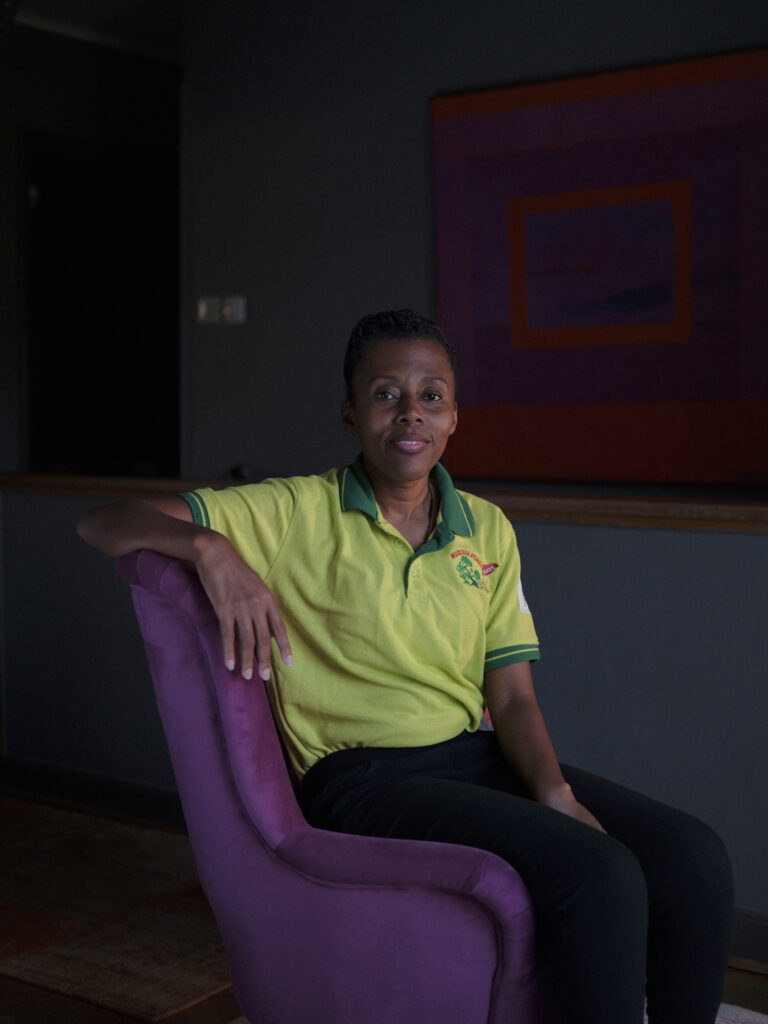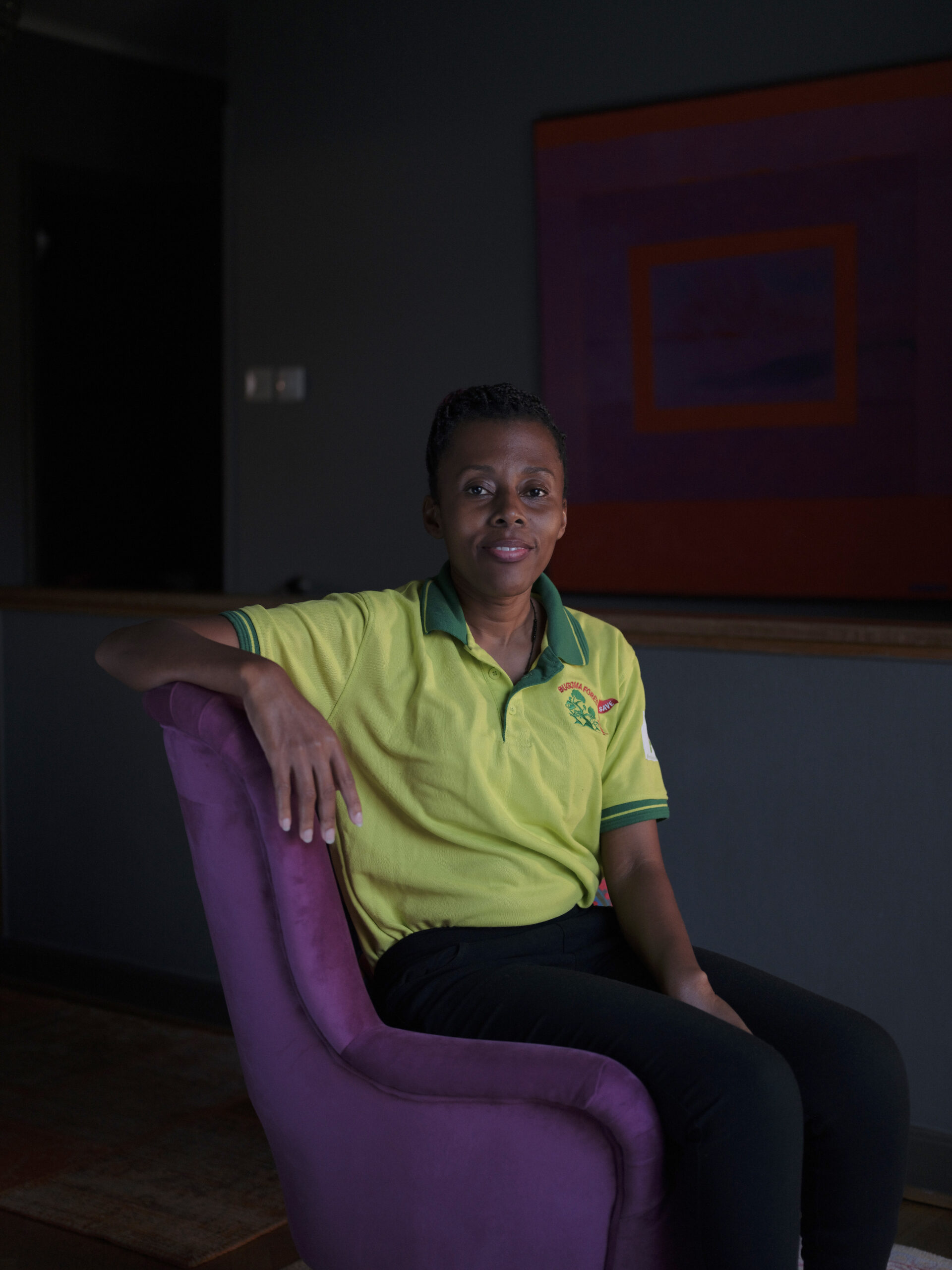
On May 17, Uganda’s President Yoweri Museveni signed a “foreign agents” bill into law, aimed at restricting the flow of funding into civil society by criminalising organisations “acting on behalf of foreign interests”. Diana Nabiruma, the Programmes and Communications Manager at Africa Institute for Energy Governance (AFIEGO), says the law could collapse Ugandan civil society, harming the environment and communities the organisation works to protect.
Right Livelihood Laureate AFIEGO is a Ugandan organisation empowering communities to stand up against environmentally damaging oil and gas projects. Since its founding in 2005, it has faced backlash from the Ugandan government, including arrests and detentions of its staff.
The controversial Protection of Sovereignty Act 2026, however, is unlike anything they have faced before. If enforced strictly, it could cause the organisation and many others in Uganda to close their doors for good.
The law requires anyone acting as an “agent of a foreign entity” to register with the government or face up to 10 years in prison and fines of up to 1 billion Ugandan, roughly 270,000 USD.
The law also requires ‘agents of foreigners’ to declare any funding of over 400 million Ugandan shillings, roughly 107,000 USD, to the government. Failure to do so could result in organisations or individuals paying hefty fines or being imprisoned for up to ten years.
“AFIEGO could crumble,” Nabiruma said. “Our staff would lose their livelihoods, and their families would suffer. But for me, I go back to the communities we serve because we do this work for them and for nature.”
Uganda’s history of uneven application of the law makes it difficult to know how the bill will affect AFIEGO. But the organisation’s historically turbulent relationship with the government puts it in a vulnerable position.
“In Uganda, there is a selective application of laws,” said Nabiruma. “Usually, if you’re a critic of the government, if the government wants to neutralise your power, then the laws will apply to you.”
Nabiruma is especially concerned about the impact of the funding caps on their operations.
“You could find that to work within the law, some funders could say, ‘Okay, let us reduce the funding so that certain sections of the law don’t apply to you,’” she said. “Then, there are those who will say, ‘No, we will not finance you because of that draconian law.’”
If the government uses the law to target AFIEGO and similar civil society organisations, Nabiruma said impoverished communities and the environment will pay the price.
“I foresee a crumbling of society and a rollback of the gains we have made,” she said. “Community access to clean energy is rolled back … Forests would get even more destroyed than they are today.”
Beyond the bill’s immediate harm, Nabiruma says the foreign agent label is a misnomer for AFIEGO: it is an organisation that exists precisely to hold foreign corporations accountable for plundering Ugandan people and land rather than represent foreign interests.
“AFIEGO works to ensure that there is corporate accountability for multinationals that are wreaking havoc on communities and biodiversity resources in Uganda,” she said. “No one can say that nonprofits like AFIEGO are agents of foreigners because we aren’t. We are the agents of Ugandan citizens.”
If the government is truly interested in curbing foreign influence, Nabiruma said, they should focus on eradicating poverty.
“The communities AFIEGO supports would want to address their own needs,” she said. “But our government has failed to address poverty, which means we must rely on external financing to help impoverished communities.”
The day the bill passed was extremely demoralising, Nabiruma said. It’s in moments like these that AFIEGO remembers the communities they work for.
“When you go to communities that have been affected by oil projects, and you see the despair they have amidst little support from civil society actors, you feel that you must continue to work,” said Nabiruma.
“And that means that we need to use the tactics available to us, perhaps dialogue with the Ugandan state, litigation, or exchanging learnings with other partners to help us to survive.”
When asked what Uganda would look like two years from now if the foreign agents law is withdrawn, Nabriuma’s answer is clear: “The world certainly would be a much better place,” she said.
“I’m envisioning beautiful flowers, conserved forests, lovely bees, people are happy, you know, with AFIEGO and other organisations continuing to work because it’s not just about us: we need each other.”