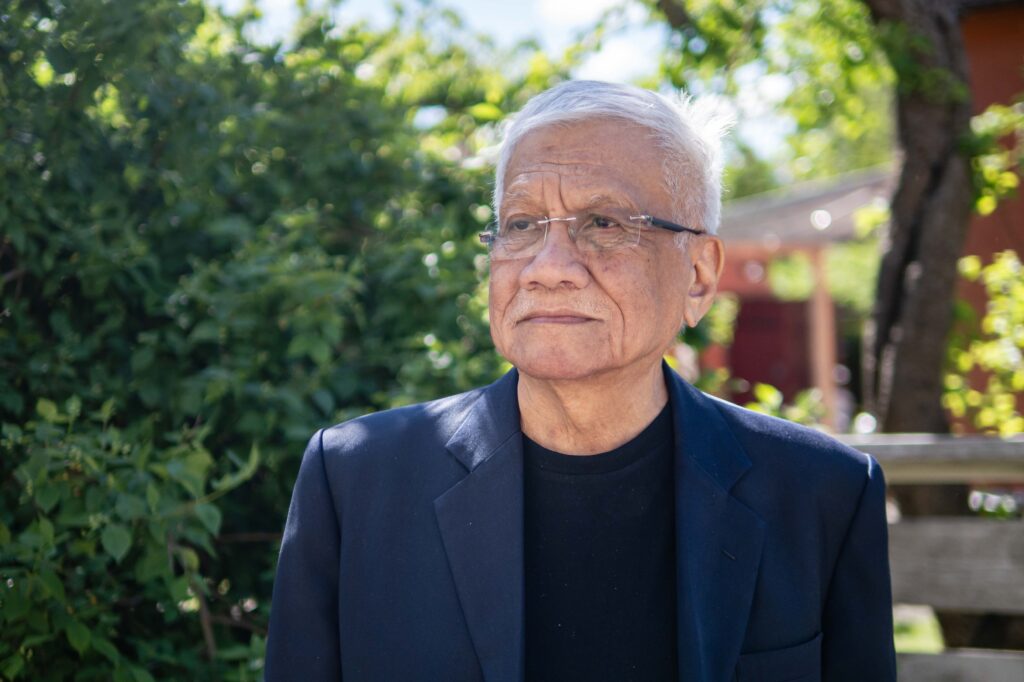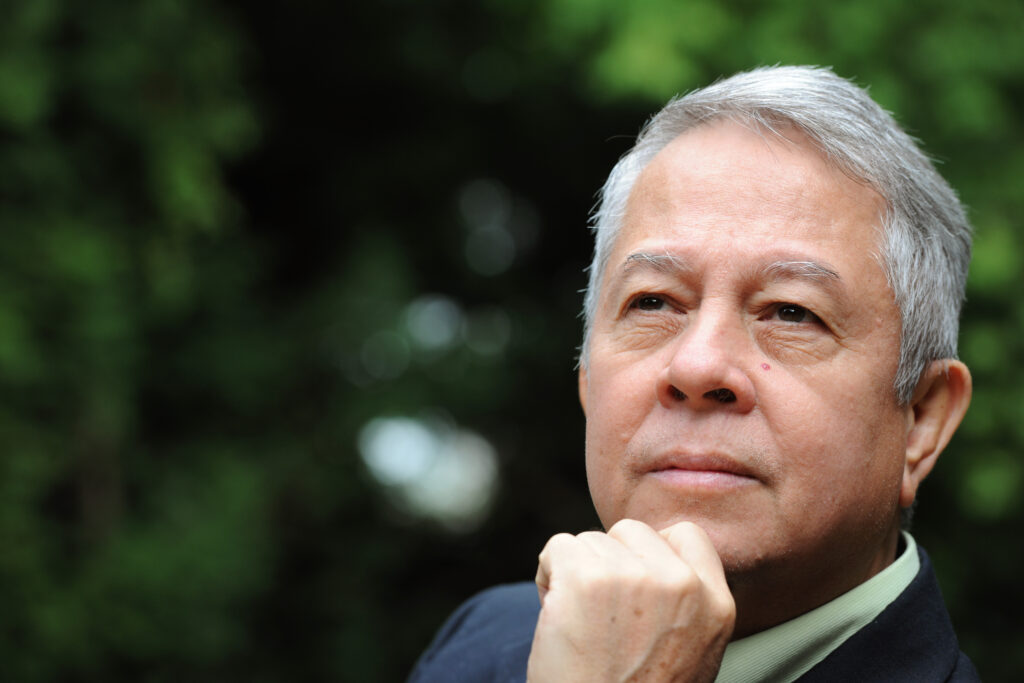
2003 Laureate Walden Bello sat down with Right Livelihood in Stockholm to discuss his new book “Backlash: The Global Rise of the Radical Right”. Far from concentrating blame on figures and parties like US President Donald Trump and Alternative for Germany, Walden argued the mainstream left, and its embrace of neoliberalism, created fertile ground for the rise of far-right populism.
Bello has studied social movements and the forces that drive people toward authoritarian politics for decades. Today, he sees the global rise of the far right as one of the defining challenges of our time.
“I am very interested in social movements and what motivates people,” Bello said. “What makes people behave in aggressive, non-rational ways, and what are the sort of emotions that are stirred by people who are inspirational, but in a bad way, like Trump or [Rodrigo] Duterte in the Philippines?”
In Bello’s view, the rise of right-wing populism cannot be understood without examining the failures of the mainstream left.
Across Europe and North America, social democratic parties gradually embraced neoliberal policies, he explained. Parties such as Labour in the United Kingdom and the Democrats in the United States accepted the shrinking of the welfare state, deindustrialisation and austerity measures that devastated many working-class communities.
As a result, Bello argued, industries disappeared, and jobs moved overseas, leaving many people feeling abandoned and excluded from the economic system.
These communities became “very ripe for right-wing populist fascist movements,” he said.
For years, progressive movements, including Bello himself, had warned about the consequences of neoliberalism. He and many others organised mass protests against globalisation, including the seismic Battle of Seattle demonstrations against the World Trade Organisation in 1999.
But, Bello said, mainstream political parties largely ignored these warnings: “The far right ate the lunch of the left.”
While progressive movements failed to channel public anger and economic frustration into egalitarian people-first policies, right-wing forces successfully drummed up support for nationalist and authoritarian agendas.
The trend is far from confined to Europe and North America, Bello said. He pointed to the rise of Hindu nationalism in India, the presidency of Rodrigo Duterte in the Philippines and the enduring influence of Bolsonarism in Latin America.
Yet he believes that the response from mainstream centre-left parties remains inadequate.
“I think the mainstream left, the social democrats, still have not been able to figure out a way to really contain that and win working people back,” he said.
Instead, they have adopted tougher positions on immigration in an attempt to retain support among working-class voters. Bello considers this approach both politically misguided and morally wrong.
Instead, he said, progressives must build broad coalitions that unite working people around a genuinely new and inclusive political vision. Despite the scale of this challenge, Bello said he remained optimistic about human nature and the possibility of social change.
“We just have to stand by our belief that people are more cooperative than competitive, and that’s not something you prove by reason,” he noted. “You stand by that because that’s your basic values, and then you build movements around that.”
For Bello, confronting the far right is not only a political struggle but also a moral one — a fight to defend a vision of society that refuses to give in to fear and division.
“The important thing is that we have faith that we will eventually triumph, even if there will be a lot of disappointments along the way,” he said.