By Mariel Merayo Ramirez, Advocacy Officer at Right Livelihood
“A luta continua.”
The struggle continues.
It is a phrase heard often in Mozambique. Born from the country’s liberation movement during the 1960s and 70s, it has become much more than a historical slogan. Today, it speaks to communities who continue to defend their land, rivers and livelihoods against domination—one driven not by colonial administrations, but by the intertwined forces of global capital, extractive industries and political power.
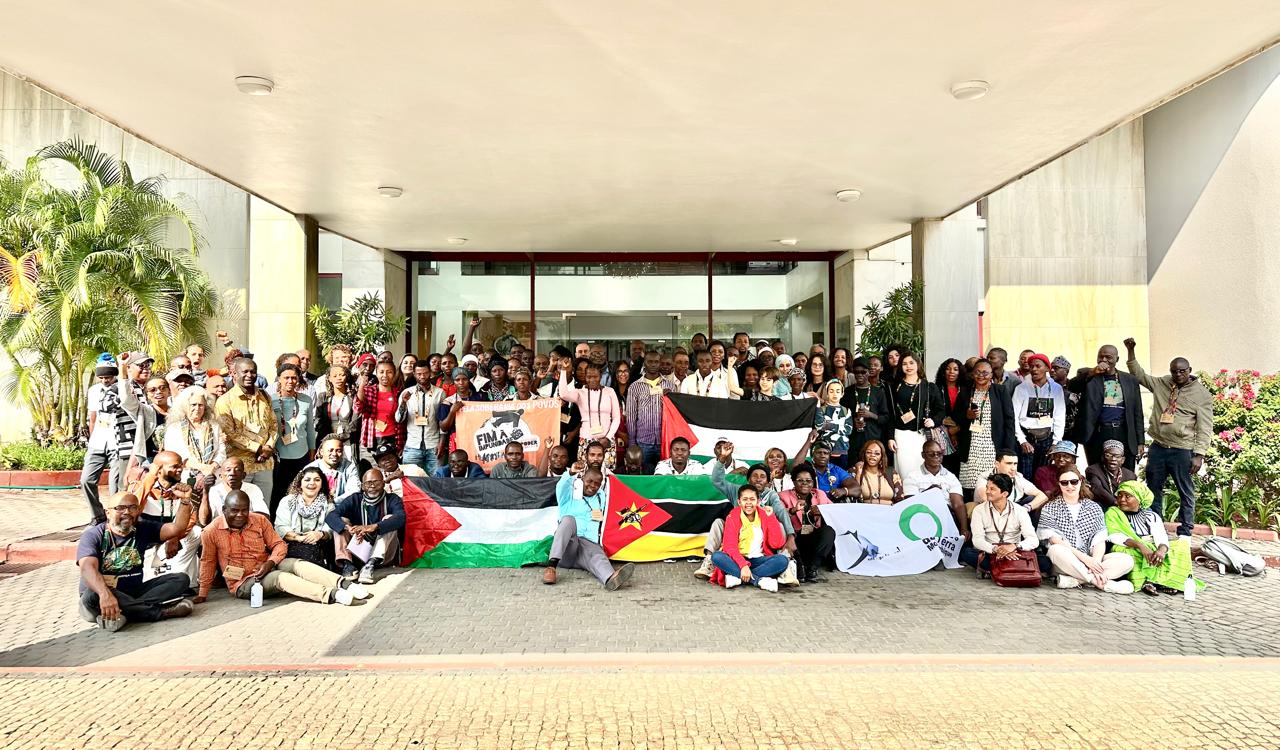
I was reminded of this slogan during a recent visit to Mozambique, where I joined the 10th Maputo Workshop on Corporate Impunity and Human Rights and travelled with members of Right Livelihood Laureate organisation Justiça Ambiental! (JA!) and other partners to visit communities living on the frontline of extractive projects.
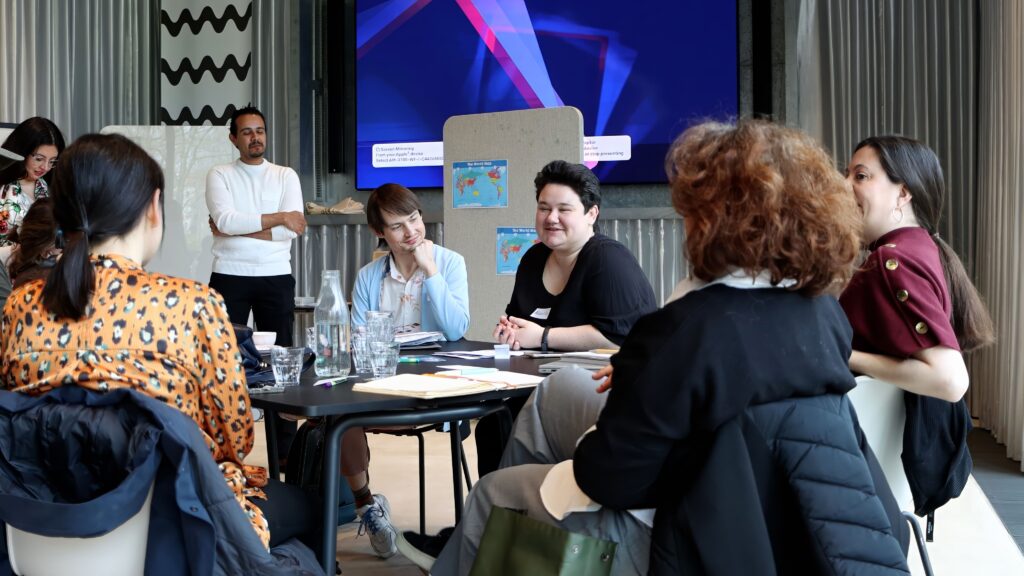
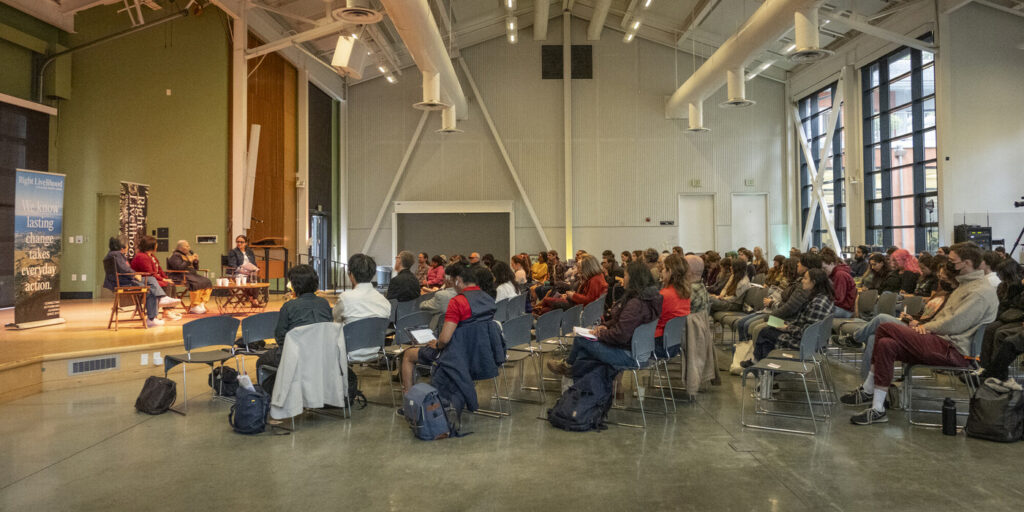
For six days, from July 12-17, the workshop brought together environmental defenders, community leaders, researchers, activists, lawyers and social movements from across Africa. More than a conference, it has become one of the continent’s most important spaces for collective reflection on corporate accountability—a place where movements share knowledge, analyse the political and economic systems that perpetuate injustice, strengthen solidarity across borders and build strategies for collective action. In a context where civic society continues to shrink internationally, spaces like this are essential.
The conversations inside the conference rooms were powerful. But it was outside them, in the communities themselves, where those discussions became tangible.
When “development” comes at the expense of communities
Across the world, the language surrounding extractive industries is remarkably similar. Investment. Progress. Development. Economic growth.
Yet the reality experienced by communities often tells another story.
Together with JA!, we travelled to Chibuto, where communities are living with the impacts of mining operations by the Chinese company Dingsheng Minerals. Residents described contamination of the river, repeated releases of toxic chemicals from mining dams and the gradual loss of land that had sustained families for generations. We visited relocation sites where houses, built as compensation, stood as stark reminders that replacing a home is not the same as rebuilding a life.
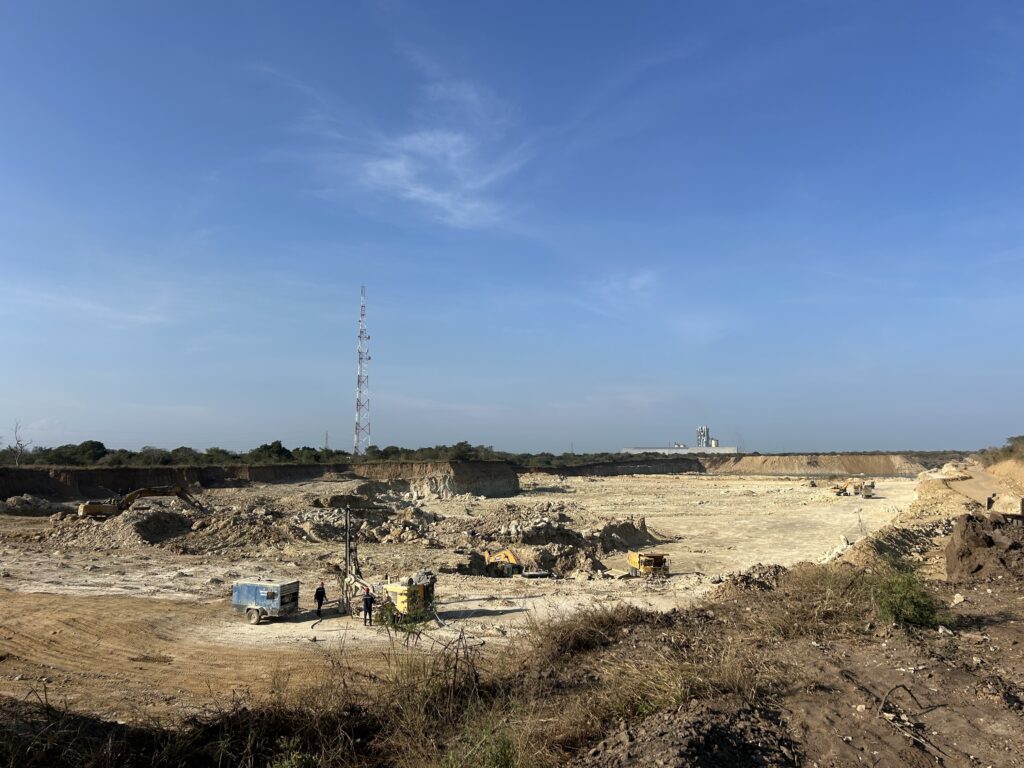
In Matutuíne, we heard another version of the same story. Families relocated to make way for the expansion of operations by Dugongo Cements spoke about losing access to their machambas—the agricultural plots that had provided food, income and a sense of belonging. Without them, many households now face an uncertain future despite promises that development would improve their lives.
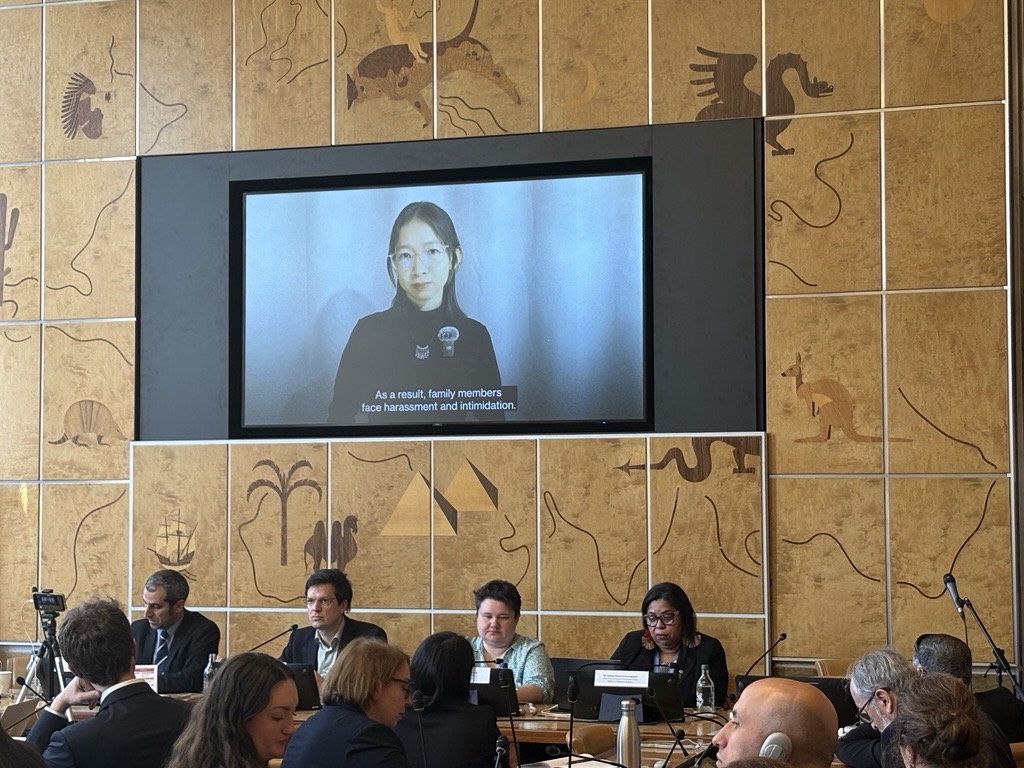
Matutuíne residents have repeatedly mobilised to defend their land and livelihoods against the impacts of Dugongo Cements, and their resistance has come with a cost. Community members exercising their right to protest have faced intimidation, detention and reported ill-treatment—showing how struggles against corporate impunity are also struggles to protect civic space and the right to dissent.
Although the projects differ, the experiences were strikingly familiar. Communities described inadequate consultation processes, insufficient access to information and decisions that appeared to have been taken long before they were invited to participate. Again and again, we heard concerns that the principle of Free, Prior and Informed Consent had become little more than a procedural exercise rather than a meaningful opportunity for communities to determine their own future.
These are not isolated cases. They are symptoms of a much broader model.
The unfinished legacy of extractivism
Walking through these communities, it became impossible not to recognise the historical continuity between colonial exploitation and contemporary extractive projects.
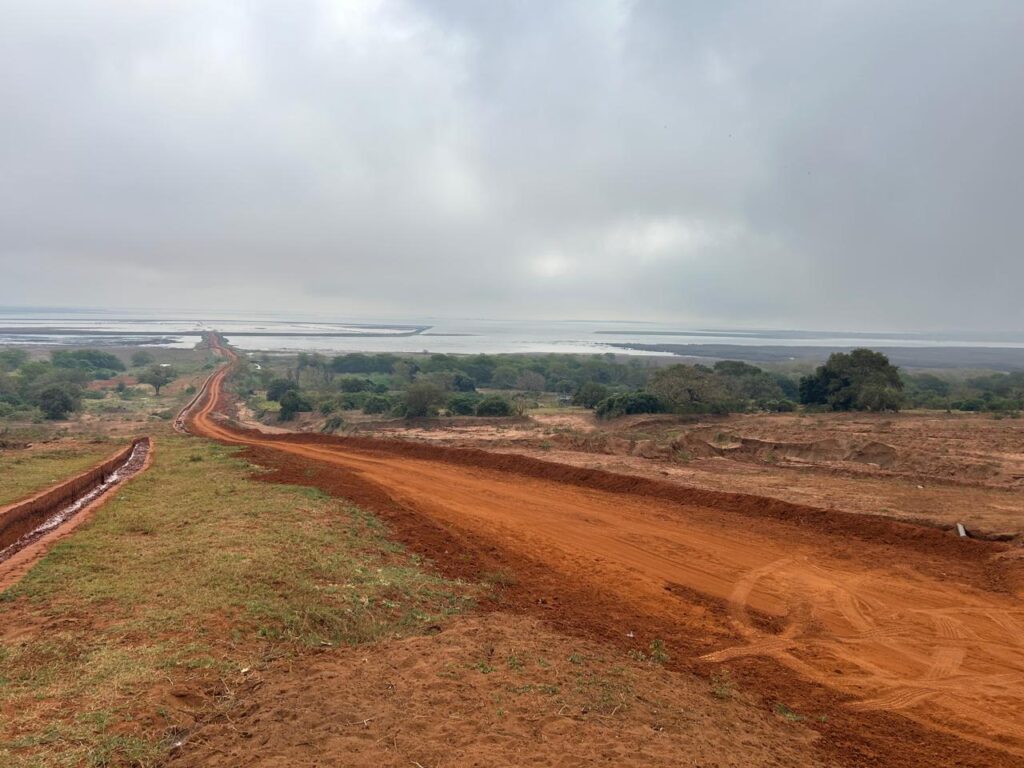
Perhaps the greatest misconception is that communities are obstacles to development. On the contrary, they are often its strongest custodians. Their knowledge of the land, their stewardship of natural resources and their collective vision for the future offer an alternative to an economic model that treats both people and nature as expendable.
In the meantime, resources continue to flow outward. Wealth continues to accumulate elsewhere. The environmental degradation, social disruption and economic uncertainty remain where extraction takes place.
This is the architecture of corporate impunity that we spent the week analysing during the Maputo Workshop. Discussions repeatedly returned to the ways in which economic systems, state institutions and corporate power reinforce one another, creating conditions where environmental destruction and human rights violations become accepted costs of development rather than preventable injustices.
The challenge, therefore, extends far beyond individual companies or individual projects. It requires questioning a global economic model that continues to prioritise extraction over ecosystems, profit over people and short-term growth over long-term justice.
The greatest resource is not beneath the ground—it is the people
What I will remember most from this visit, however, is not the destruction.
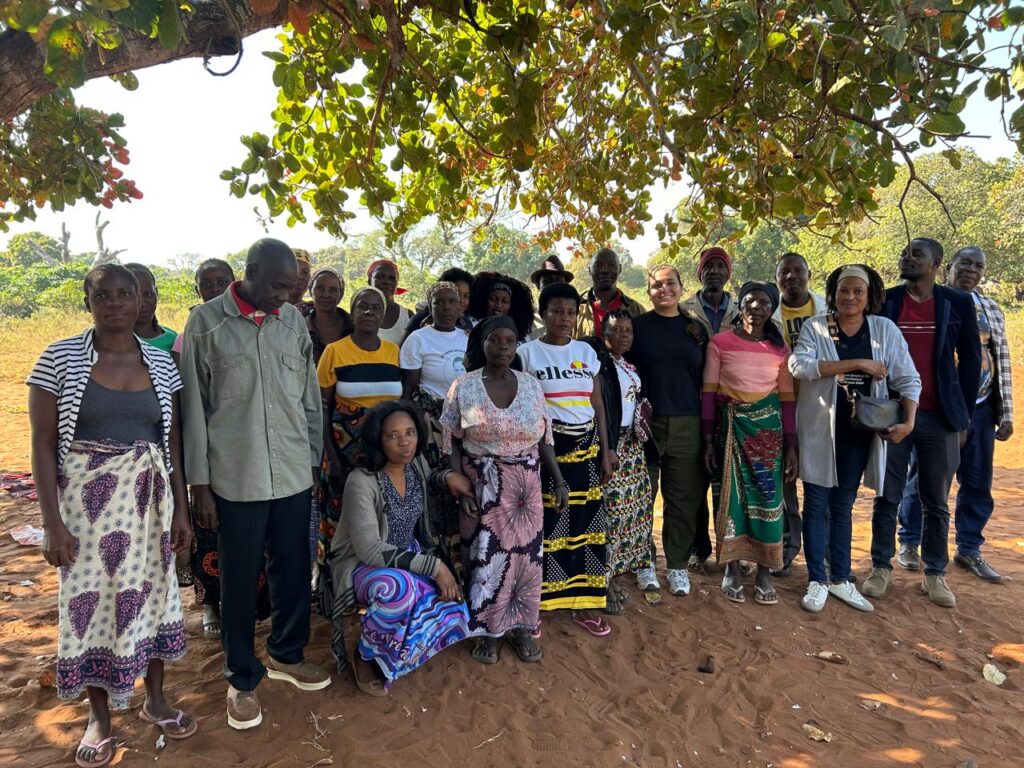
It is their determination, strength and courage to organise and resist.
Every community we visited was organising. People were documenting environmental impacts, supporting one another, preserving local knowledge and refusing to accept that displacement and environmental degradation should simply be endured. Despite the uncertainty they face, there was an extraordinary determination to defend and to resist. This is precisely why organisations like JA! matter.
For more than two decades, JA! has worked alongside communities affected by extractive industries, helping amplify local voices while connecting local struggles to national, regional and international advocacy. Their work demonstrates that lasting change does not begin in conference rooms or courtrooms alone—it begins with communities that understand their rights, organise collectively and refuse to allow decisions about their future to be made without them.
The Maputo Workshop reflects that same philosophy. Over the past decade, it has evolved into far more than an annual event. It is a living network of movements, organisations and defenders who understand that the challenges they face are deeply interconnected—and that meaningful resistance must be equally collective.
Solidarity turns local struggles into global movements
When environmental defenders from Mozambique exchange experiences with land rights activists from West Africa, movements in Latin America reshaping energy projects or communities resisting fossil fuel expansion in East Africa, something important happens. Local struggles become part of a shared narrative. Communities realise they are confronting different manifestations of the same system—and that they do not stand alone.
Another future is already taking shape
It is easy to feel overwhelmed by the scale of today’s environmental and human rights crises.
Hope is not found in abstract promises of sustainable development. It is found in communities that continue organising despite uncertainty. In women organising their neighbours. In communities who continue speaking out despite increasing pressure. And in movements that choose cooperation over isolation because they understand that solidarity is itself a form of power.
The future these communities envision will not be built by extractive industries. It is already being built by the people determined to protect their land, their livelihoods and their communities.
Read more from Justiça Ambiental!
JA! has published its own reflections on a decade of the workshop: Ten Years of the Maputo Workshop on Corporate Impunity and Human Rights. It covers the impacts of extractive industries and mega-projects, shrinking civic space, the criminalisation of defenders and community-led resistance. It is a good starting point for understanding both the challenges and the growing movement for environmental and social justice in Africa.
A luta continua!