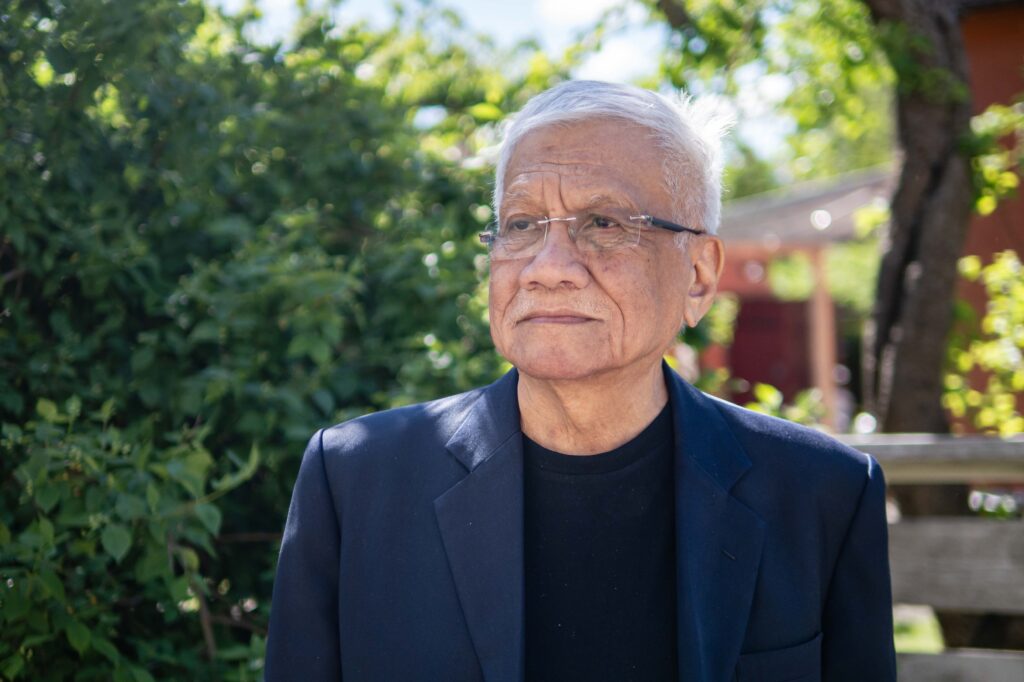
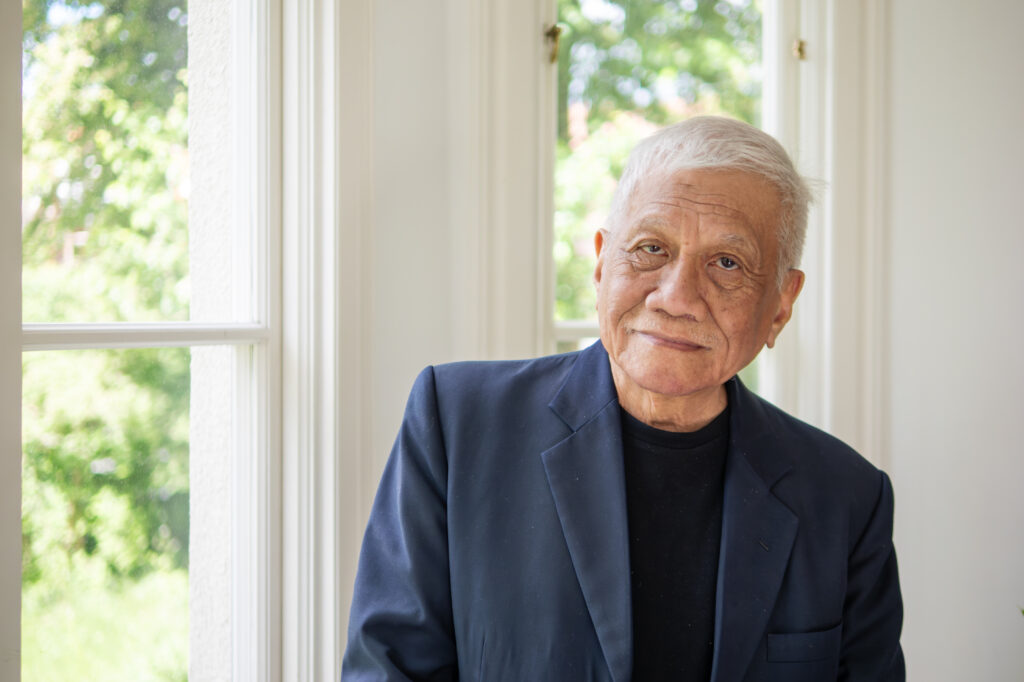
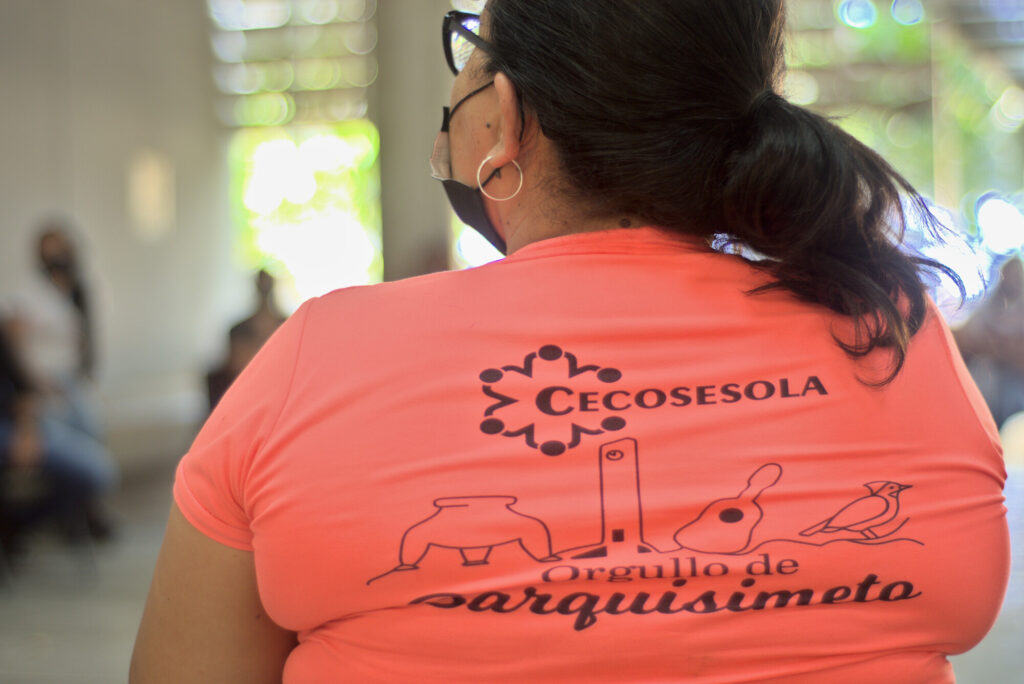
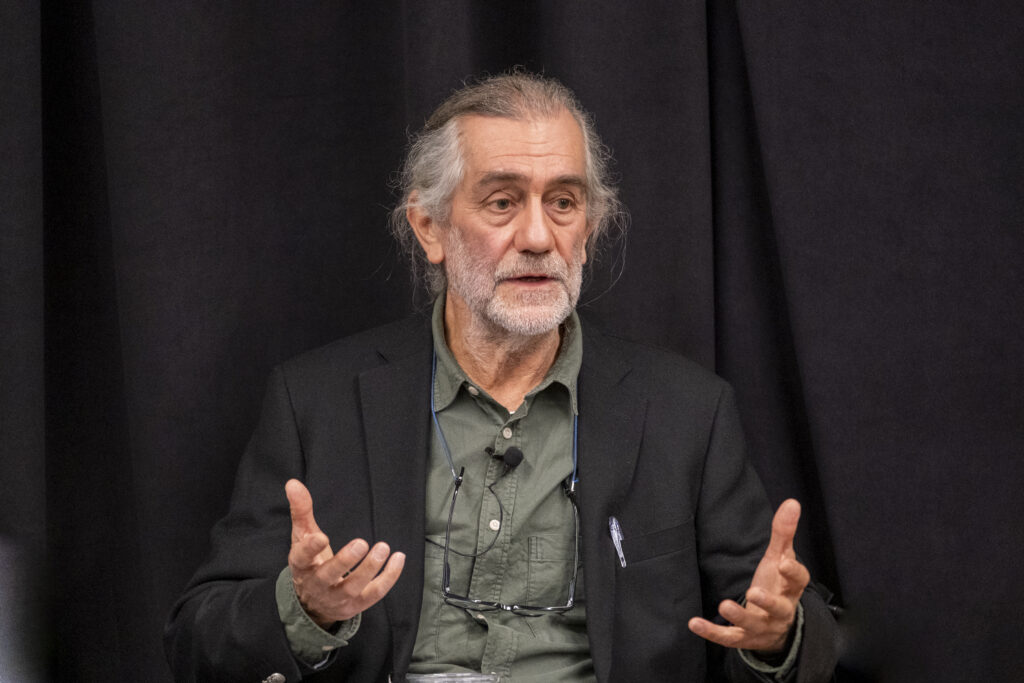
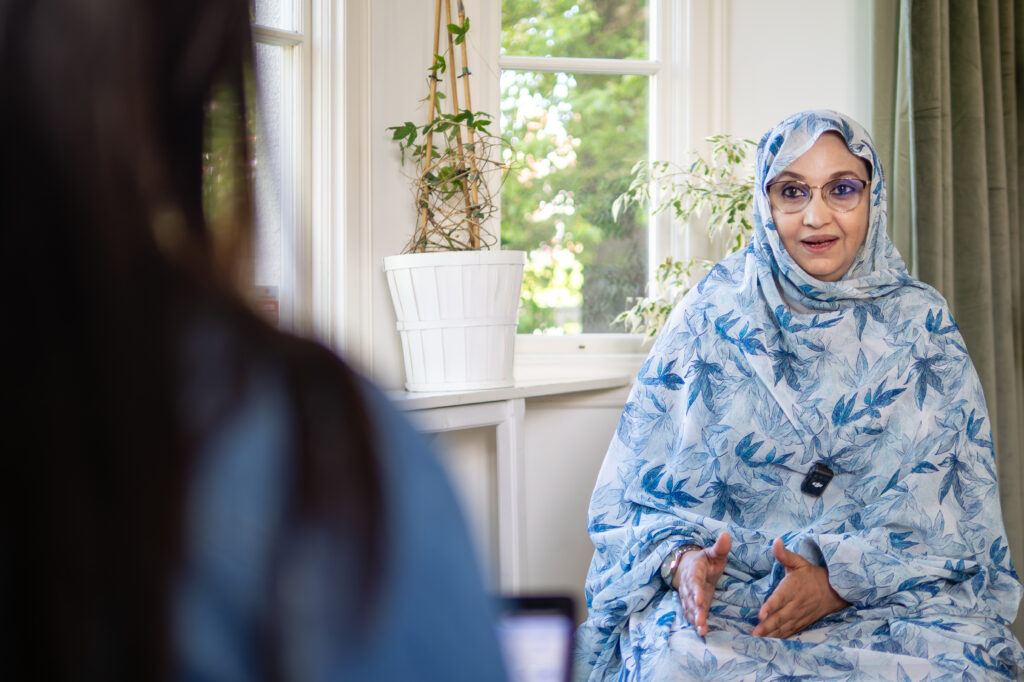
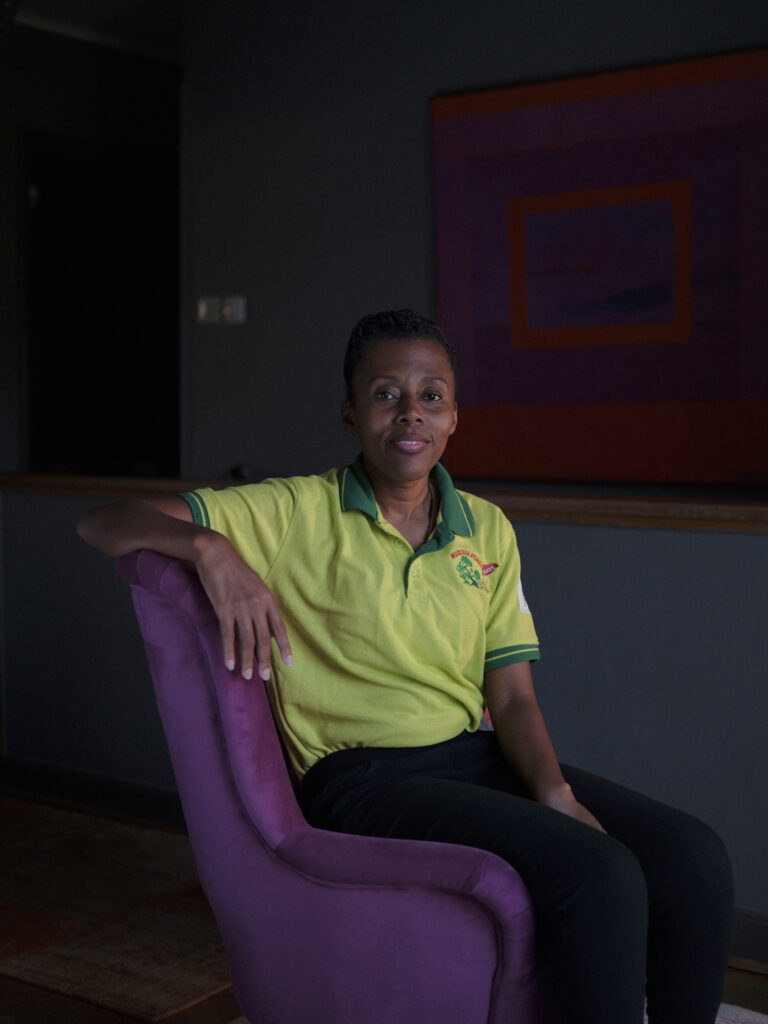
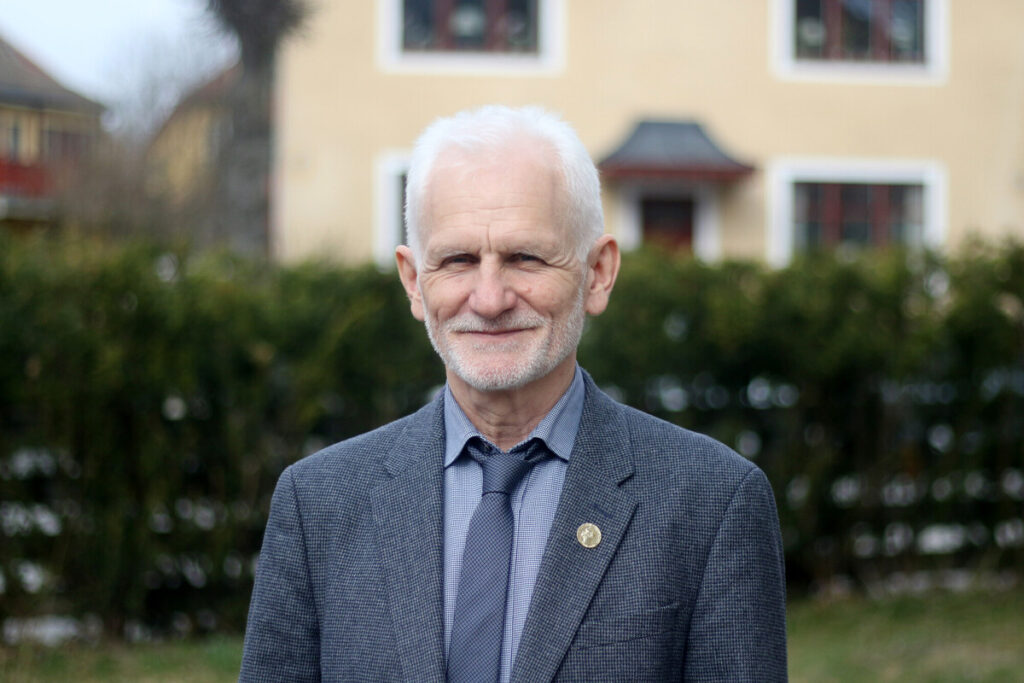
Exile is not travel, not an opportunity, nor migration. It is not driven by choice, but by necessity. It is movement without agency, a last resort to remain free and alive. Yet the cost is profound. Through the ‘Reconceptualising Exile’ project, Right Livelihood supports human rights defenders not only to survive displacement but to rebuild their own identities.*
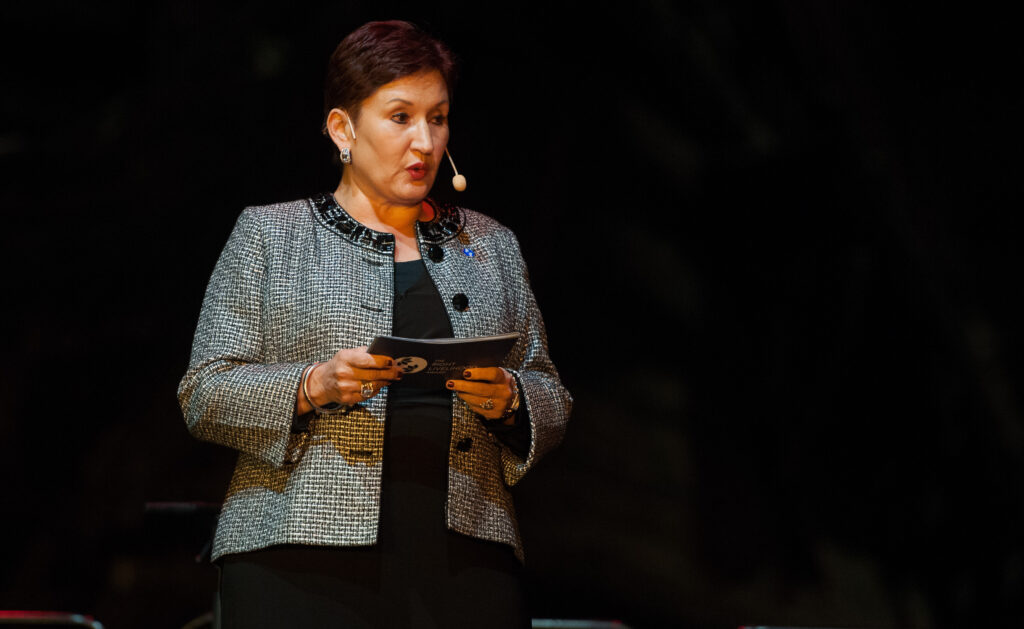
“What they want is to eliminate you,” Guatemalan human rights defender and Right Livelihood Laureate Helen Mack Chang reflects. “It doesn’t necessarily have to be with bullets. Exile is one way.”
Exile is often imagined as a doorway to safety. But for many activists, it is also a quiet rupture, a slow unmaking of identity, belonging, and purpose. It is both survival and loss, protection and erasure. It takes away more than geography: it severs relationships, disrupts identity and suspends life in limbo.
No one plans for exile. It arrives abruptly, carried by threats, repression, and the shrinking of civic space. And once it comes, it reshapes everything: where you live, how you speak, who you are. “In order to move forward, you need to detach yourself from many things. Embracing exile is also a way of killing yourself. Who you used to be,” adds Mack Chang.
In response to this reality, Right Livelihood’s ‘Reconceptualising Exile’ project seeks to transform exile from a condition of isolation into one of connection, solidarity and resilience. Working alongside the Global Campus of Human Rights and a network of partner institutions, since 2022 the initiative has supported a group of 14 human rights defenders who are forced to flee by providing financial, legal and psychosocial assistance. Beyond immediate support, the ambition is deeper: to strengthen purpose and ensure defenders can continue their work.
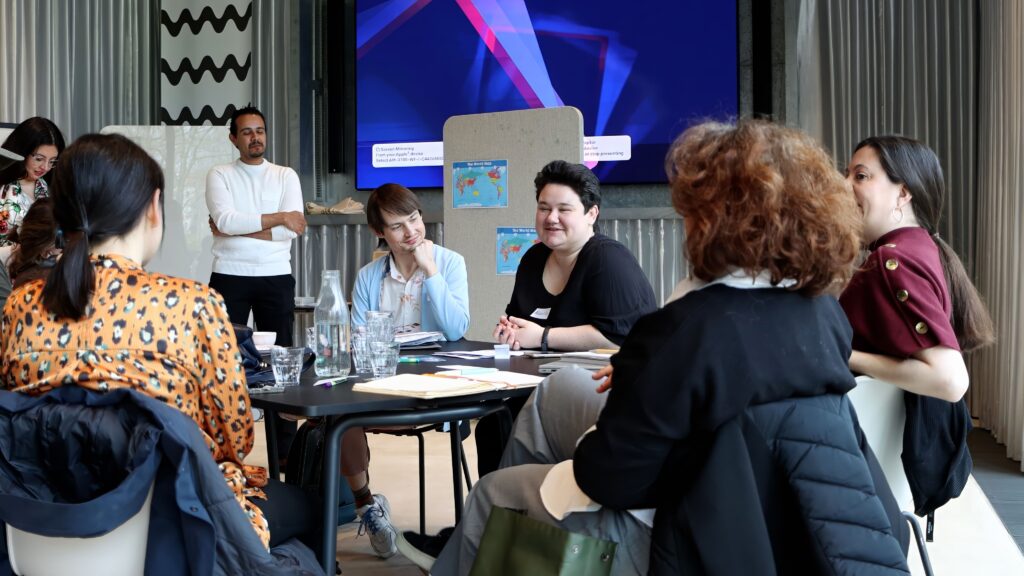
Through workshops, exchanges, and joint advocacy, a transnational network has emerged: a community bound not only by shared struggle, but by mutual care. The project recognises that exile is not only a logistical challenge, but a psychological and existential one. Addressing trauma and fostering solidarity enable defenders to keep their mission across borders.
Survival and rupture
For human rights activists whose work is inseparable from their communities, exile cuts especially deep. Their sense of purpose is rooted in proximity, in standing alongside those they defend. Distance creates a painful paradox: they are safer, yet further from the very struggles that define them.
Exile separates defenders from their communities, their ecosystems and the collective spaces where change takes root. Well-being becomes fragmented, stretched across borders, mediated through screens, sustained by memory. Many defenders face a painful dilemma: speak out and endanger loved ones, or remain silent and feel complicit. Exile, then, is not an endpoint but a continuation of risk, reshaped but persistent.
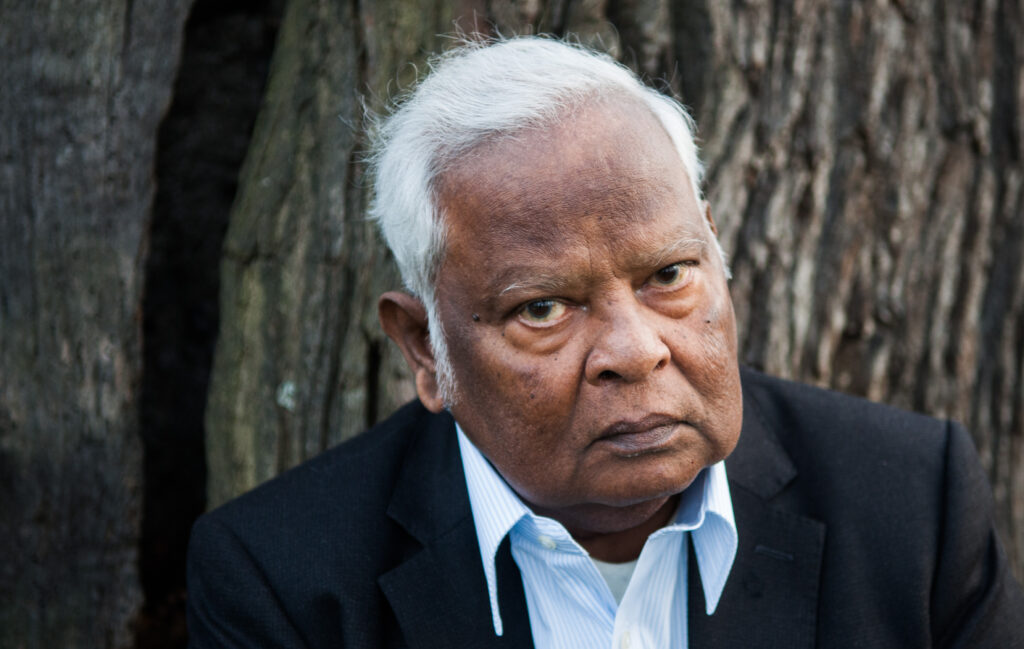
For some, the threat is even more acute. Among the fellows are those who cannot be publicly named or photographed, or even have their country of residence disclosed. They live almost in hiding, not only for their own protection but to shield colleagues and loved ones still in danger at home. “Exile for me is like falling into an abyss. And how do you climb out of that abyss?”, a Right Livelihood Laureate living anonymously in exile says.
New borders, not guarantees
Yet exile is not a guarantee. While it can open new paths, offering safety, freedom of expression and the chance to rebuild lives and continue vital work, it also brings a reality that’s impossible to ignore.
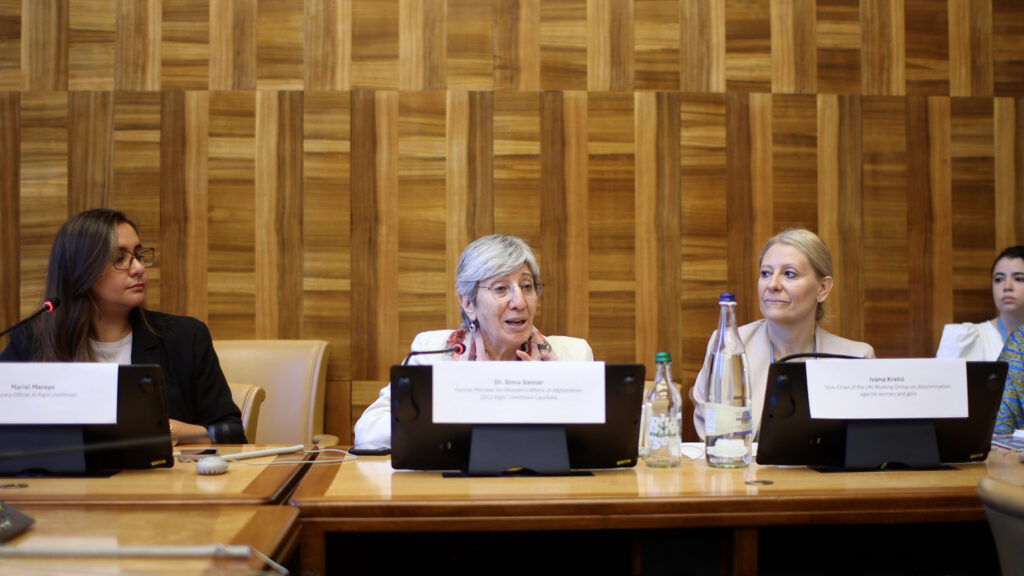
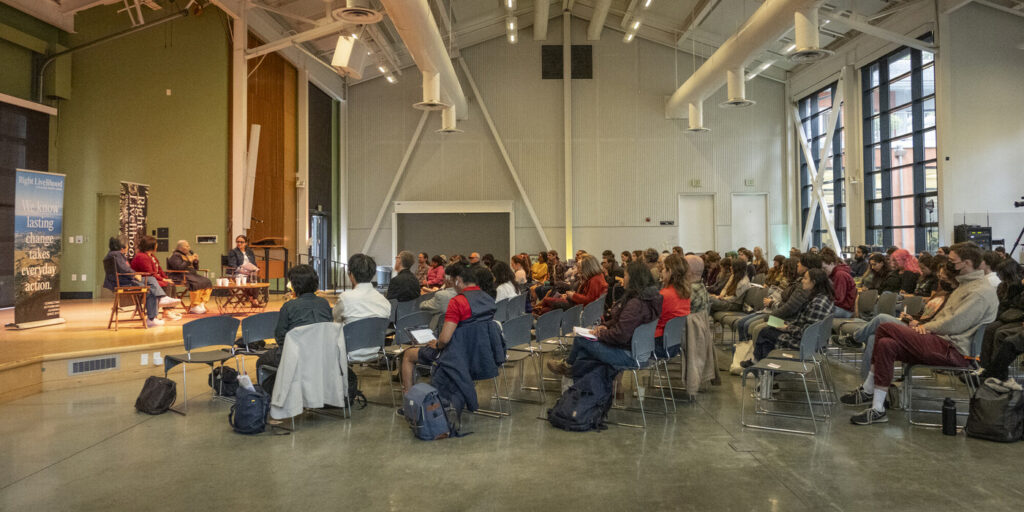
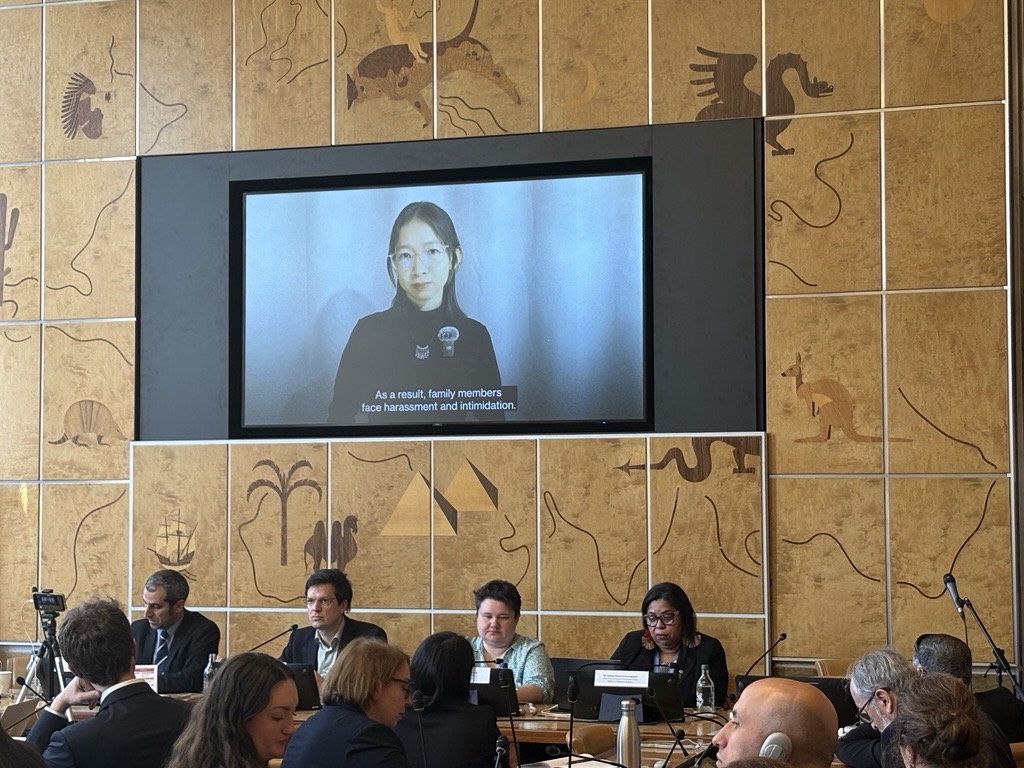
At a side event hosted by Right Livelihood during the recent 61st UN Human Rights Council session in Geneva, defenders and experts highlighted a troubling reality: many of the fellows live with the constant shadow of transnational repression: when governments reach across borders to silence or intimidate critics. According to international human rights experts, it refers to state-led efforts or those of a state’s proxies to reach beyond their borders to harass, surveil, threaten or punish individuals because of their activism, criticism or identity. It can take many forms: intimidation of family members, digital surveillance, smear campaigns, travel bans, or even abductions and killings abroad.
The event also exposed the fragility of current protection systems. Emergency relocation can save lives in the short term, but often fails to provide the stability needed to rebuild.
“My immigration status is not stable. I have to renew my tourist residence permit every six months. I never know if they’ll approve it again. And I’m not allowed to work here,” Russian documentary filmmaker Askold Kurov says about his exile conditions in Istanbul for promoting free media and LGBTQ+ rights in his native country.
As repression intensifies, exile is increasingly used as a tool to dismantle movements, displacing individuals and weakening collective action. Exile becomes prolonged uncertainty rather than a bridge to recovery, revealing a global failure: the systems meant to protect human rights defenders have not kept pace with the realities they face.
The unfinished work of protection
Supporting defenders in exile is not only about safety. It is about restoring dignity, identity, and belonging. It is about ensuring that exile does not succeed in silencing what repression could not destroy.
It is also harbouring the uncertain idea of returning home one day. “The longer it takes, the harder it becomes. If I go back after ten years, I will have no friends, no colleagues. I would have to start again from zero there too,” Afghan women and youth human rights advocate Abdul Rahman Yasa says.
The networks fostered by Right Livelihood show that solidarity can transcend geography. Defenders in exile build communities of care that are not bound by place, but by shared purpose. Through the project, the human rights defenders have found support in each other. A community bound by shared experience and mutual trust.
These are not stories of escape, but of reinvention and persistence.
The global context of exile
- 72.4% of the world’s population lives under repressive civic conditions (CIVICUS Monitor, 2024)
- 19 consecutive years of democratic decline globally (Freedom House, 2025)
- 300+ human rights defenders killed in 2022, nearly 3,000 in the past decade (Front Line Defenders)
- 655 documented cases of transnational repression (2014–2024) targeting activists abroad (European Parliament)
- No dedicated EU visa category for human rights defenders, limiting long-term protection
*A version of this article titled “The forced absence of co-being” was published in The Beyond Magazine #3, in July 2026, by the Beyond Lab at UN Geneva.