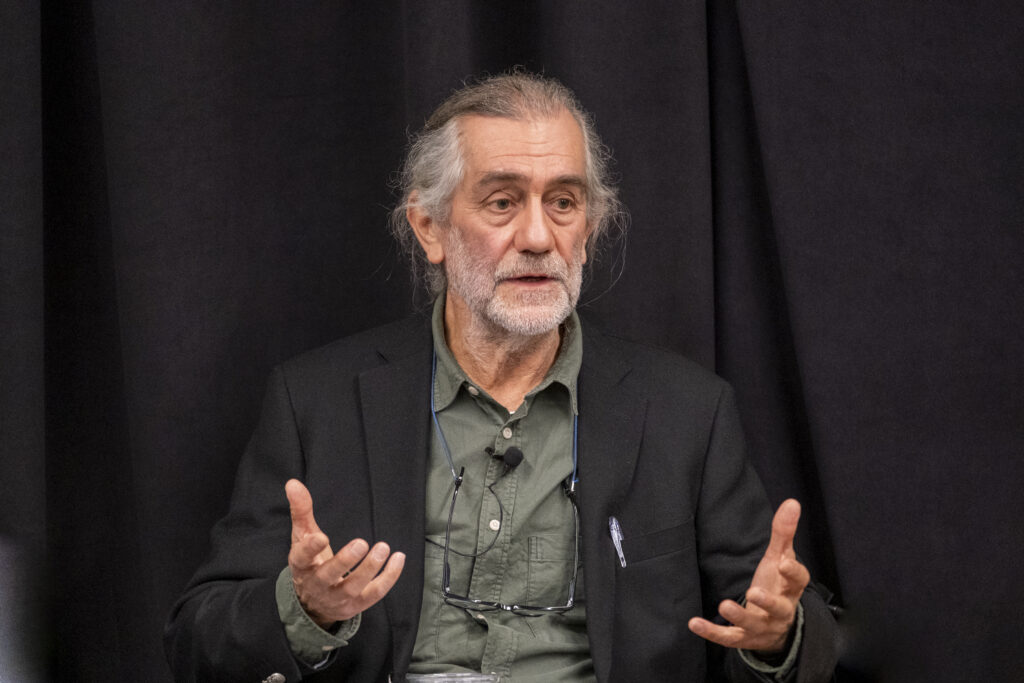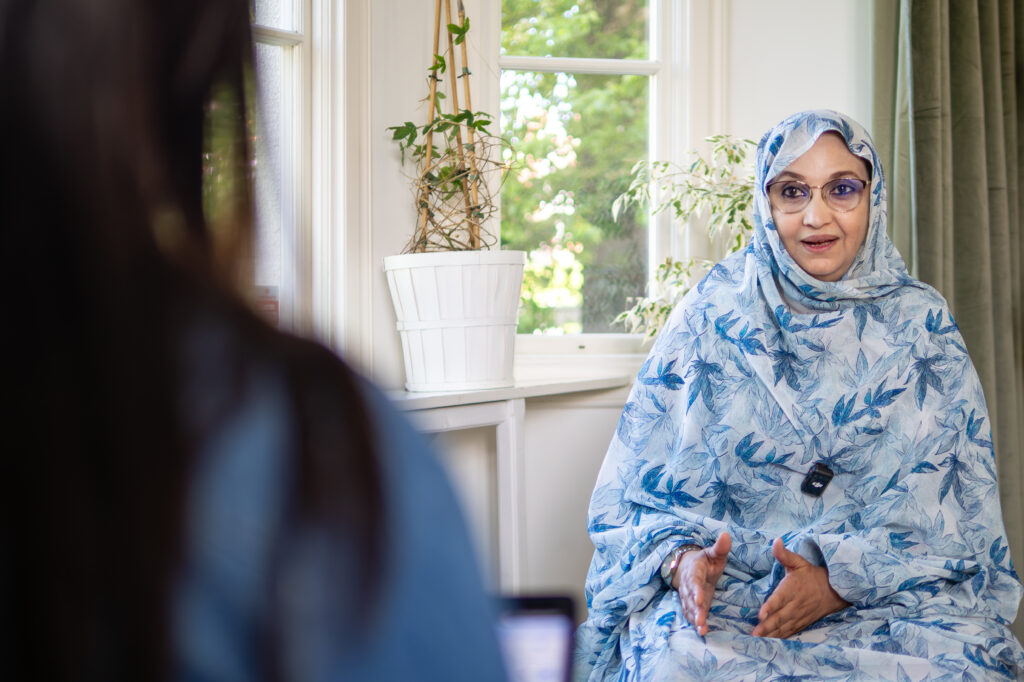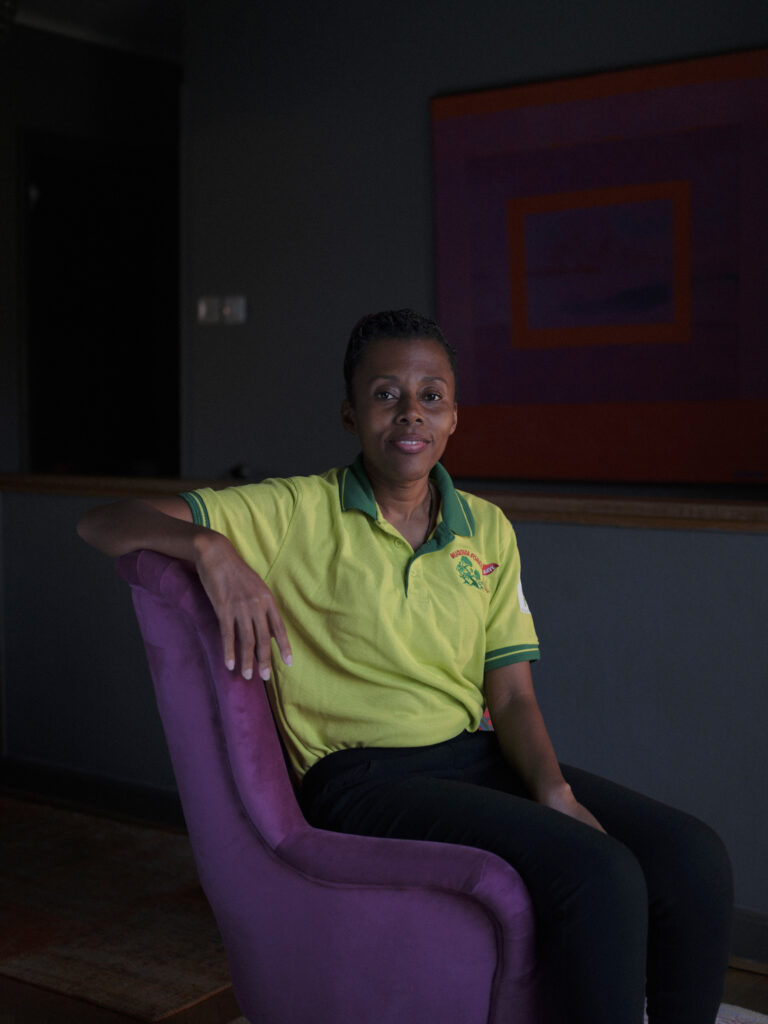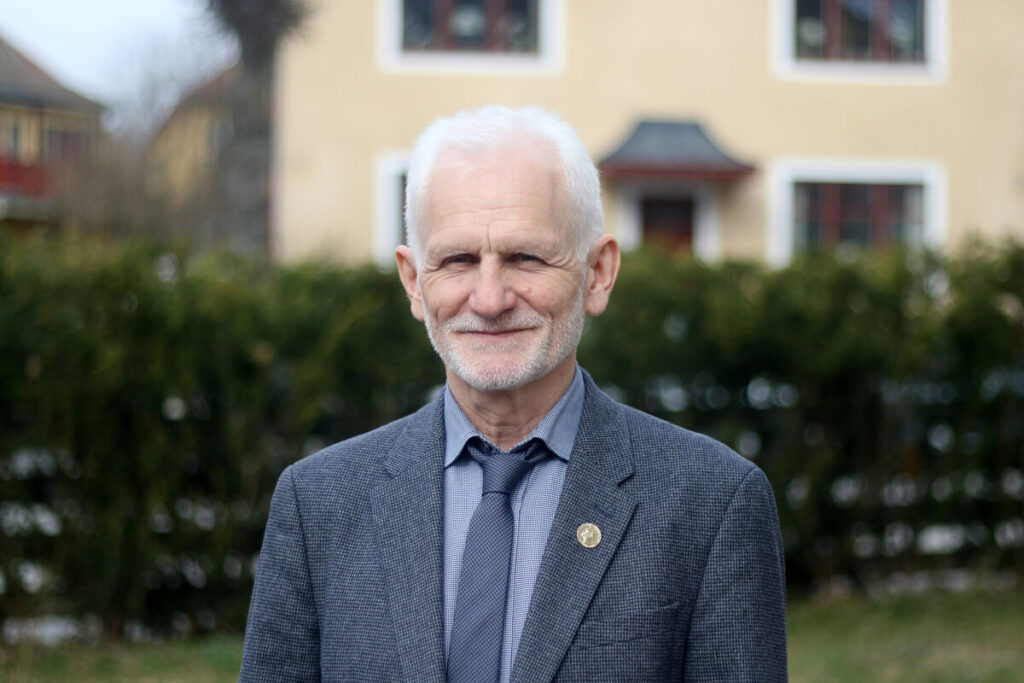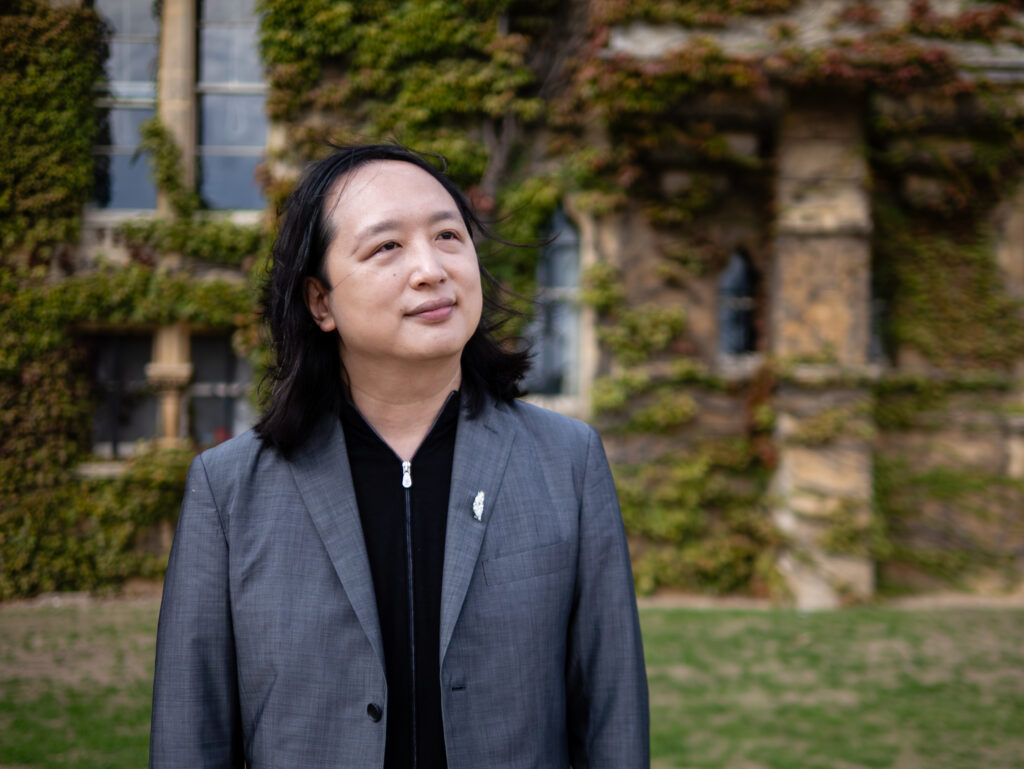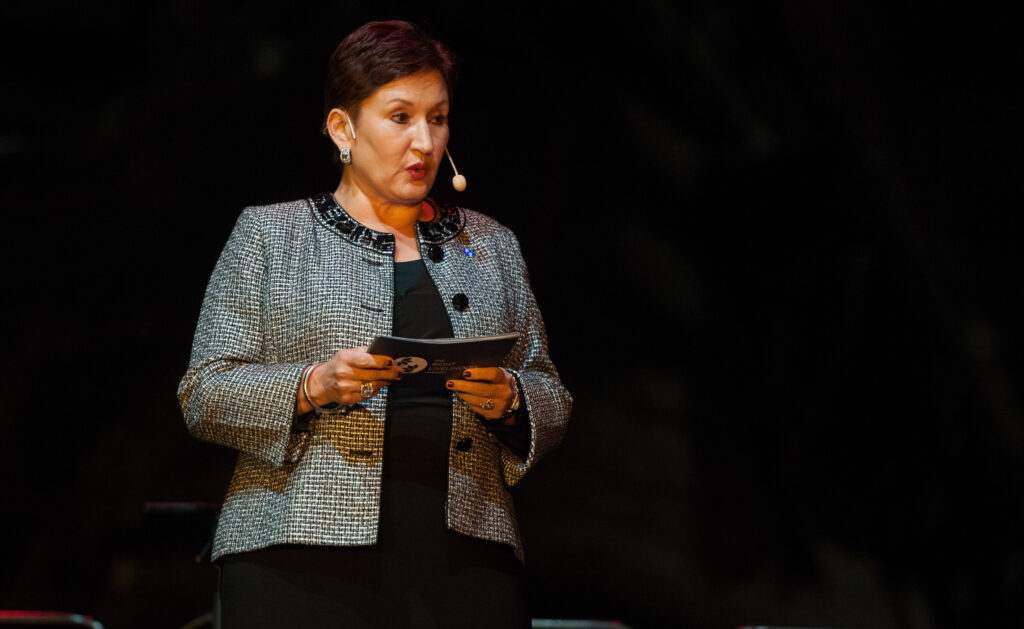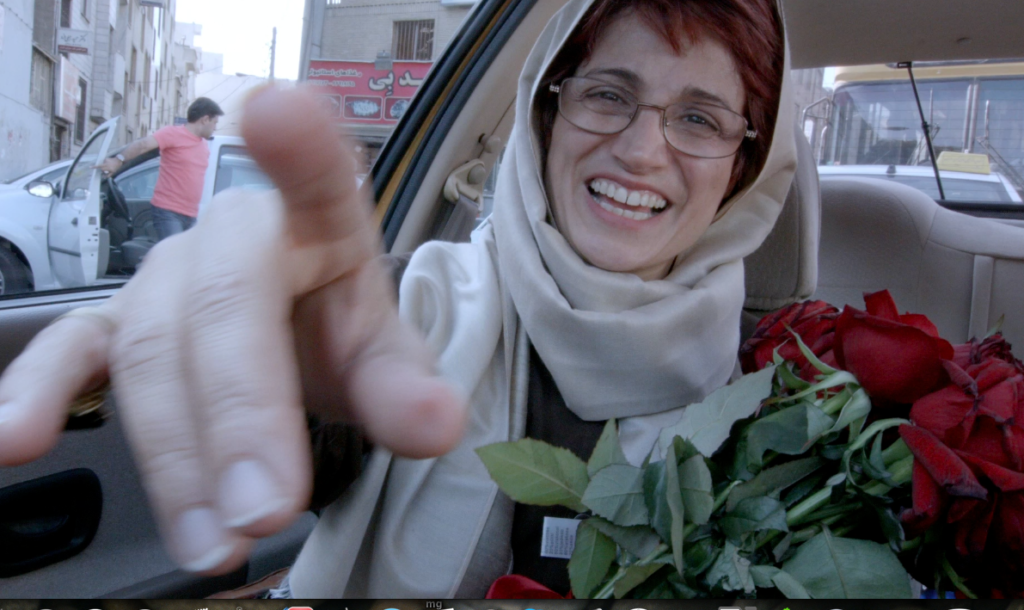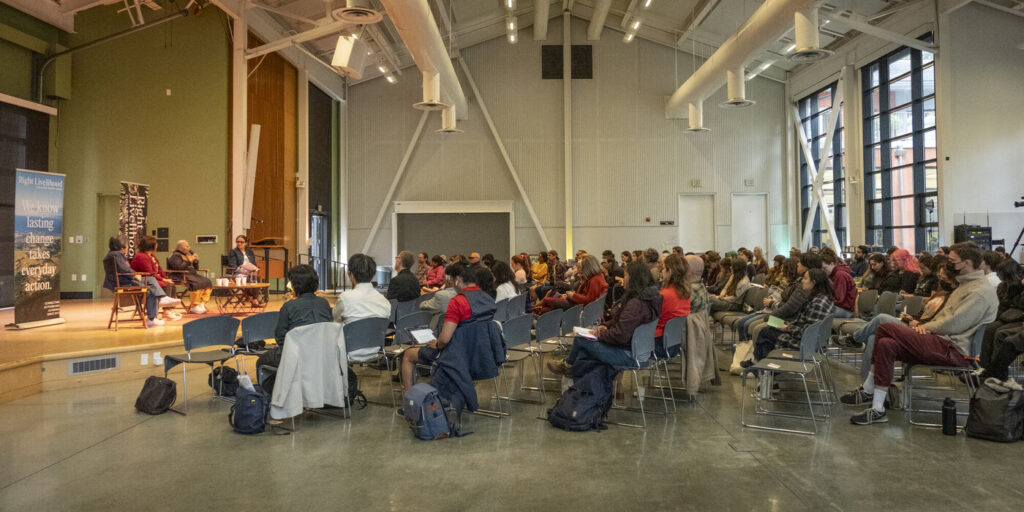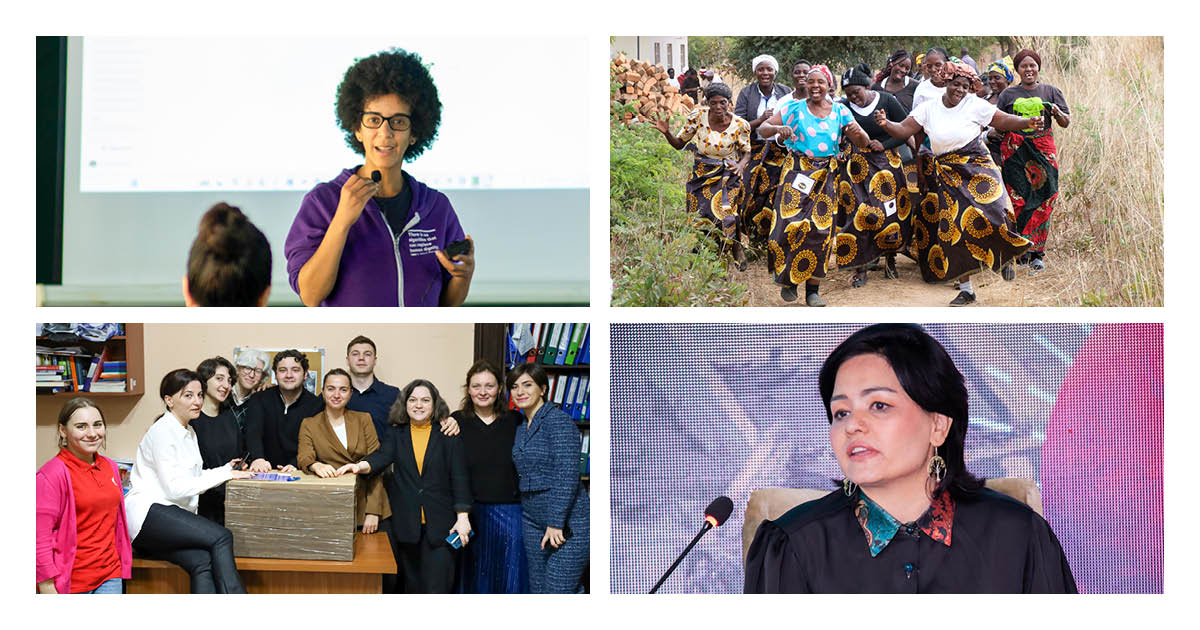
STOCKHOLM — The 2026 Right Livelihood Award goes to women and women-led organisations confronting the world’s most entrenched power structures: authoritarian rule, patriarchal violence, and unchecked AI development. Their common thread is resistance to systems that push people to the margins, and a shared insistence on putting people back at the centre.
The 2026 Right Livelihood Award, also known as the “Alternative Nobel Prize”, goes to:
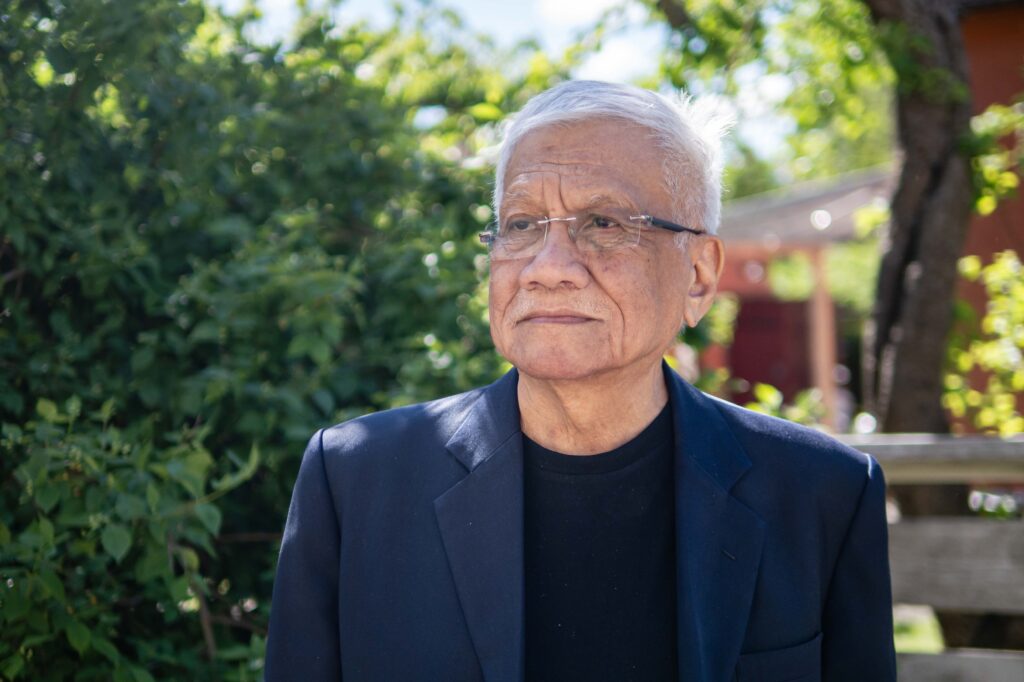
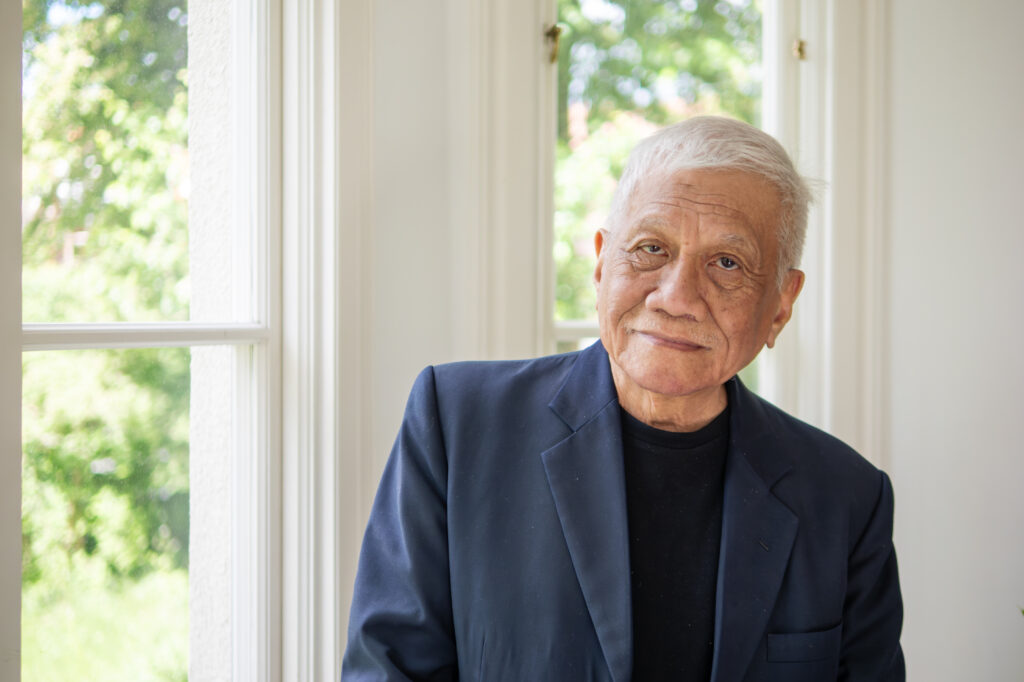
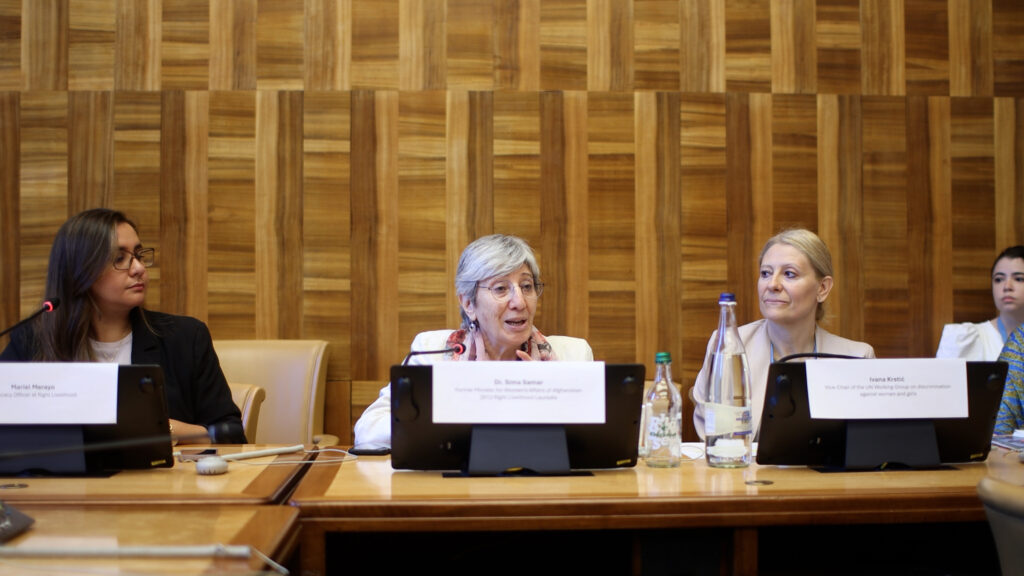
Jalila Haider from Pakistan “for breaking barriers, as the first female lawyer from her Hazara community, to challenge ethnic, state and patriarchal persecution, guided by the conviction that no human being is illegal,”
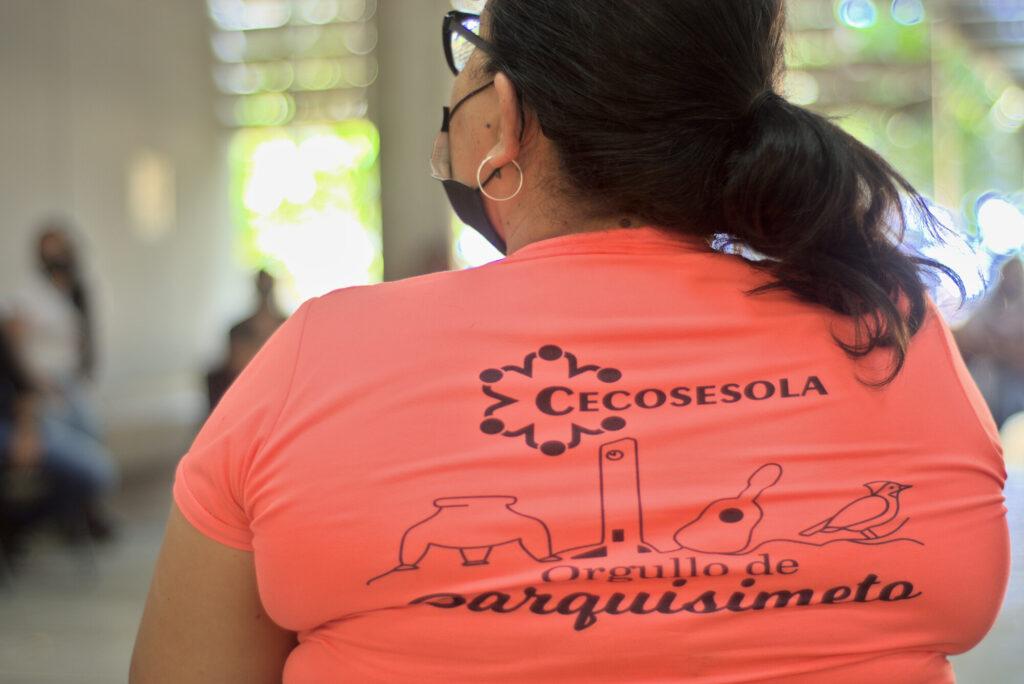
Rural Women’s Assembly “for organising rural women across Southern Africa into a united force defending land, seed and bodily autonomy against corporate and patriarchal dispossession,”
Georgian Young Lawyers’ Association (GYLA) “for building and safeguarding Georgian democracy and sustaining civic power in the face of an autocratic crackdown,” and
Timnit Gebru from the United States of America “for challenging concentrated power in artificial intelligence and pioneering digital technology rooted in justice, lived experience and human agency.”
Ole von Uexkull, Executive Director of Right Livelihood, says:
“A system built to serve the few was never going to hold. This year, we honour women who refused to wait for permission. They are rewriting the rules that autocrats, patriarchs, and Silicon Valley’s most powerful men assumed were theirs to write alone.”
GYLA is the first Laureate to receive the Right Livelihood Award from Georgia.
In addition to being available for one-on-one interviews, the Laureates are holding consecutive online press conferences today, September 30. Register for the press conferences.
- 10:00 CEST (08:00 GMT): Georgian Young Lawyers’ Association (GYLA)
- 11:00 CEST (09:00 GMT): Rural Women’s Assembly
- 14:00 CEST (12:00 GMT): Jalila Haider
- 18:00 CEST (16:00 GMT): Timnit Gebru
For over 45 years, the Right Livelihood Award has honoured and supported courageous people leading the way to a just, peaceful and sustainable world for all. The Award comes with long-term support to highlight and expand Laureates’ work.
In 2026, we considered 200 nominees from 72 countries. Previous Laureates include Ukrainian human rights defender Oleksandra Matviichuk, Congolese gynaecologist and women’s rights advocate Dr Denis Mukwege, American public interest lawyer Bryan Stevenson and Swedish climate activist Greta Thunberg.
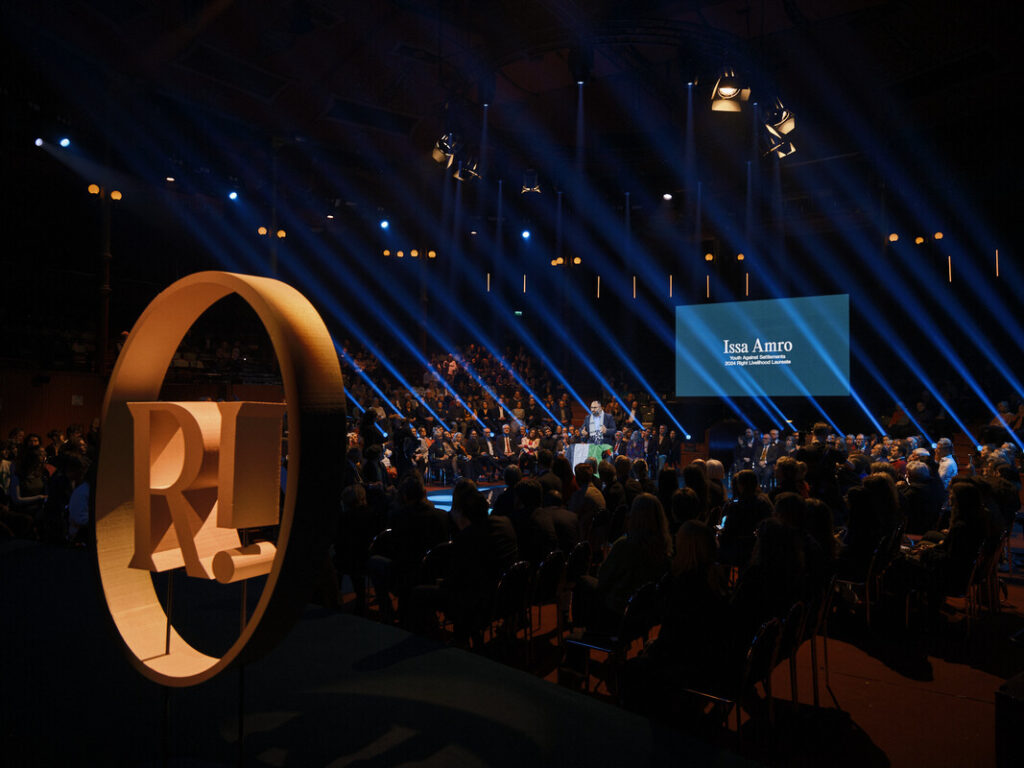
The 2026 Laureates will be honoured during a televised Award Presentation in Stockholm on December 1.
Nominations are now also open for next year’s Award!
Download photos and videos of the new Laureates.
Note our updated logotype! Find more information in our Press Kit.
Media contacts
- International media: Emoke Bebiak, emoke.bebiak@rightlivelihood.org, +41 78 333 84 84 and Sydney Söderqvist, sydney.soderqvist@rightlivelihood.org, +46 73 043 1301
- German media: Julia Naumann and Nina Tesenfitz, presse@rightlivelihood.org, +49 170 5763 663
- Spanish media: Nayla Azzinnari, nayla@rightlivelihood.org, +54 9 11 5460 9860
- Scandinavian media: Vanessa Marko, vanessa.marko@arenaopinion.se, +46 76 321 6637
- Photos, videos: Max-Michel Kolijn, maxmichel.kolijn@rightlivelihood.org
Short biographies of the 2026 Laureates
Jalila Haider
Jalila Haider is a Hazara human rights lawyer and activist protecting Pakistan’s most vulnerable communities against state repression, patriarchal norms and ethnic violence. In 2018, she led a seven-day hunger strike against the targeted killing of Hazaras that forced the Army Chief to negotiate directly with Hazara women, resulting in a sustained decrease in attacks against the community.
By combining legal work with street activism and community empowerment, Haider has secured justice for thousands targeted or ignored by those in power, specifically ethnic, gender and religious minorities, as well as refugees. Her law firm has also helped restore freedom of movement for more than 600 political activists and human rights defenders.
As a founding member of the Women’s Democratic Front (WDF), Haider helped pioneer Balochistan’s first Women’s March, a street mobilisation that sparked discussions on feminism across the deeply patriarchal region. Her organisation “We the Humans” has also helped over 400 widows of terrorism victims gain financial independence. Despite detention, cyber-harassment and death threats, she continues working toward a world where, in her words, “no human being is illegal.”
Biographical information
Place of Birth: Quetta, Pakistan
Date of Birth: Dec 10, 1984
Education: University Law College, Quetta (LLB, 2010)
Facebook: https://www.facebook.com/jalila.haider.3/
Twitter: @Advjalila
Jalila Haider says:
“Justice is not an abstract principle. It is the dignity of being heard, the freedom to speak, and the right to live without fear. I will continue to use law, solidarity and my voice to make that dignity possible for others. Because when speaking carries a price, courage is choosing not to let silence become the price of survival.”
The Rural Women’s Assembly
The Rural Women’s Assembly (RWA) is a self-organised, transnational movement of over 178,000 small-scale farmers across eleven Southern African nations, united to defend land, seed and bodily autonomy against corporate agribusiness and patriarchal dispossession. Rejecting the traditional NGO model in favour of a flat, volunteer-led structure, it has built one of the region’s largest autonomous platforms for rural women, recognised as “Guardians of Land, Life, Seed and Love.”
Through feminist agroecology and food and seed sovereignty, RWA challenges corporate control over the region’s food systems while strengthening communities’ resilience to climate shocks. It has established 24 seed multiplication sites and documented hundreds of Indigenous seed varieties, defending traditional seed systems from commercialisation.
Through healing circles and cross-border mutual aid, RWA has turned women long excluded from land ownership into a united, persistent political voice — one that, in the words of its Regional Coordinator, Mercia Andrews, is more “rowdy” than “radical”. That voice helped secure a 2016 Zambian law mandating equal land allocation to women and Eswatini’s landmark 2018 Sexual Offences and Domestic Violence Bill.
Biographical information
Headquarters: Cape Town, South Africa
Founded in: 2009
Website: https://www.ruralwomensassembly.org/
Facebook: https://www.facebook.com/SARuralWomen/
Mercia Andrews, Regional Coordinator, says:
“No single voice moves a mountain; it is the patient, collective weight of thousands of rural women organising together that has shifted what was once thought immovable. May this recognition help the struggles of rural women across our region to be seen as a living blueprint for the justice the whole world still owes the land and the people who tend it.”
Georgian Young Lawyers’ Association (GYLA)
The Georgian Young Lawyers’ Association (GYLA) is Georgia’s oldest and most prominent human rights organisation, founded in 1994 by volunteer lawyers who helped draft the country’s first post-independence constitution. In the decades since, the organisation has played a crucial role in the country’s democratisation, earning the recognition as the moral compass of Georgian society.
GYLA’s work ranges from providing grassroots legal aid to working at the national and international levels to uphold human rights. It has secured landmark legal victories that reshaped national policy, from ensuring rights for people with disabilities to guaranteeing free education to every child in Georgia and compelling compensation for Soviet-era repression. It has provided 1.5 million free legal aid consultations – in a country with 3.7 million inhabitants – and served as the backbone of the country’s civil society.
Despite facing severe repression under Georgia’s new “foreign agents” laws, GYLA has chosen to remain in the country. It continues with a scaled-down team, focusing on the most pressing human rights work. With courage and determination, the organisation presses on for a better future for all Georgians.
Biographical information
Headquarters: Tbilisi, Georgia
Founded in: 1994
Website: www.gyla.ge
Instagram: https://www.instagram.com/gyla.ge/
Facebook: https://www.facebook.com/GYLA.ge
Tamar Oniani, GYLA’s Chairperson, says:
“This Award is the acknowledgement of GYLA’s role in building a democratic country, and a recognition of what we have done for vulnerable communities in Georgia to help them have access to justice.”
Timnit Gebru
Timnit Gebru is a US artificial intelligence researcher and founder of the Distributed Artificial Intelligence Research Institute (DAIR), whose work challenges the concentration of power in the technology sector and exposes the harms AI systems are already causing in people’s everyday lives, particularly among communities facing discrimination and exclusion. Her research has helped reshape international debates about how and for what purposes AI is developed and governed.
Born in Ethiopia to a family of Eritrean origin, Gebru left the country at 15 during the Ethiopian-Eritrean war and later sought asylum in the United States. Experiences of discrimination throughout her life shaped her understanding that science and technology are not neutral and can reproduce existing inequalities. She co-founded Black in AI to build community and increase the presence of Black people in the field. After a dispute over a pioneering academic paper warning about the risks posed by large language models, she was fired from Google, where she was co-leading the Ethics AI team.
Through DAIR, Gebru now combines exposing technological bias with building alternatives. Its distributed model brings together researchers and collaborators across countries and continents, defying the centralised and corporate-driven concepts that mainstream AI entails. Through community-rooted research, she is broadening who gets to shape technology and the purposes and values that guide its future.
Biographical information
Place of Birth: Ethiopia
Date of Birth: 1983
Education: PhD in Electrical Engineering, Stanford University
X: @timnitGebru
Timnit Gebru says:
“I am very honoured, especially for the human rights aspects of my work, to be recognised in this way. I hope this recognition signals to other scientists and engineers that science can be infused with human rights. It does not take away from the rigour of your work; it actually makes it better. You can do science in a way that honours and respects human rights.”
About Right Livelihood
For over 45 years, Right Livelihood has honoured and supported courageous people solving global problems. Housed under the umbrella of a foundation, Right Livelihood is a courage-powered community for social change committed to peace, justice and sustainability for all.
Each year, Right Livelihood highlights change-makers through an Award. To date, 207 Laureates from 82 countries have received the distinction. By recognising the actions of brave visionaries and building impactful connections around the world, Right Livelihood boosts urgent and long-term social change.
The Award was founded in 1980 following the Nobel Foundation’s rejection of a proposal to create two new prizes to honour individuals committed to advancing social justice and environmental causes, especially highlighting change-makers from the Global South.
Today, the work of Right Livelihood goes beyond presenting the Award: the Foundation provides Laureates with long-term support. Right Livelihood is a megaphone and a shield: raising their profile, providing protection when their lives and liberty are in danger, and educating people on their innovative solutions.
Right Livelihood is headquartered in Stockholm, with an office in Geneva. The Foundation has Consultative Status with the UN.